Stinky tofu, chicken feet and a suspected dog meat dish. Bon appétit, China!
I thought the biggest challenge would be five hours of training a day. But after a few weeks I realised it can be much harder to find ordinary bread, deodorant, sparkling water and chicken breast. Welcome to my everyday life in China.
Anja Vidmar
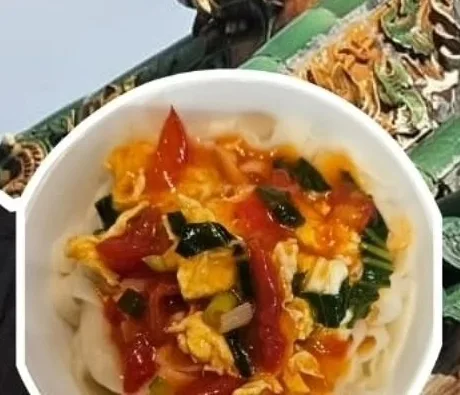
»你吃饭了吗?« – Have you eaten yet?
Food was a big part of socialising. We often ate at a shared rotating table, the dishes went in the middle and everyone took what they wanted. Sounds great at first. Until you're starving after training and there's one small plate of meat on the table.
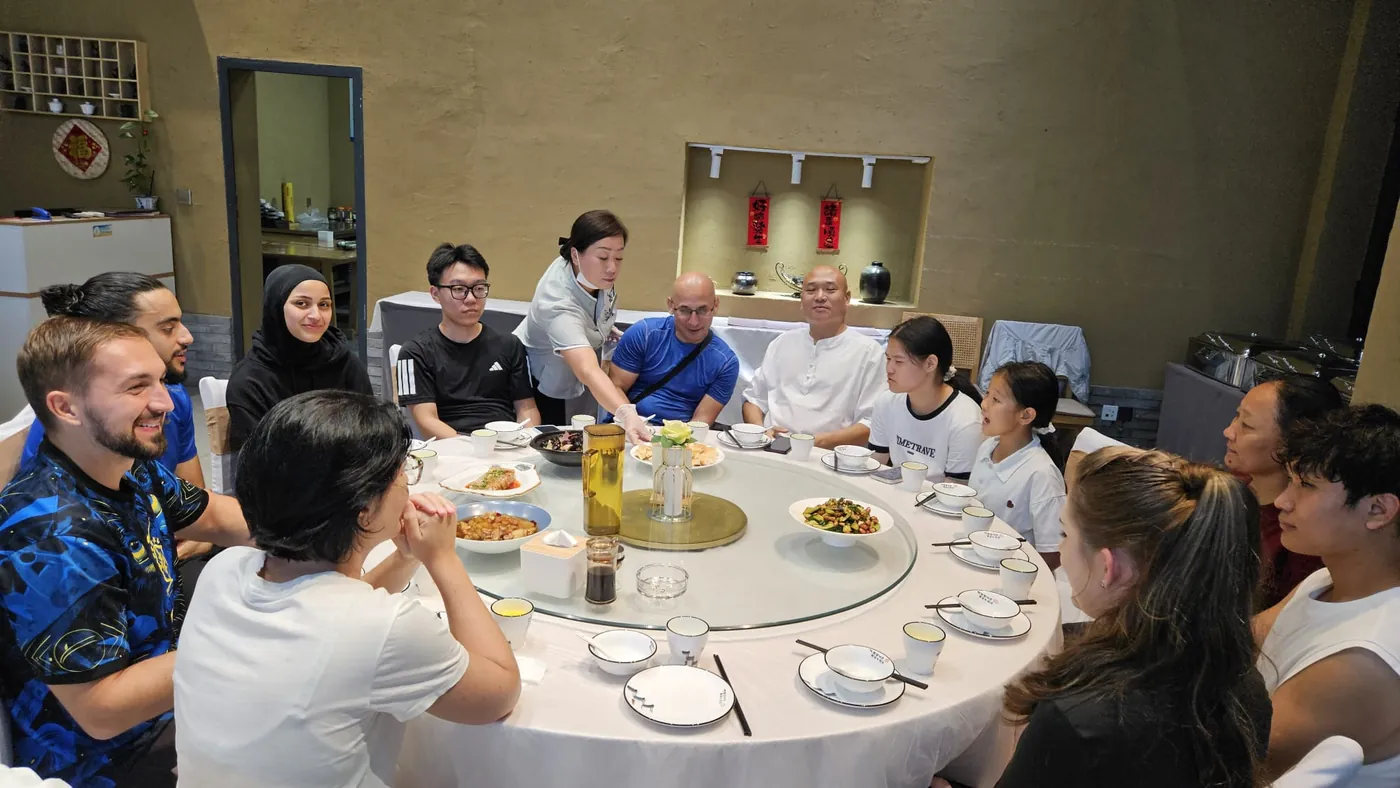
Some of the guys quickly piled most of it onto their plates, while I looked at the vegetables and wondered how I'd survive the next training session on that. I was polite for a while, then I realised I'd have to look after my own stomach too. 😄
In Dayang there was no McDonald's and no shops with the European and American products I knew from home. Anyone who has travelled to the less touristy parts of China will probably understand. At home I almost never go to McDonald's, but there I would have happily eaten it. Just give me some fries and plain chicken! Well, I did find Oreos and Snickers. But clearly nobody bought them very often, because they looked pretty old. You know that chocolate with the whitish coating? Yep, that.
I was craving proper food. Something savoury. Cheese. A bread roll with salami. A plain sandwich, for heaven's sake!
Nope. Not a chance. Even the nuts were seasoned in what I found a pretty strange way, or so spicy that I left them alone.
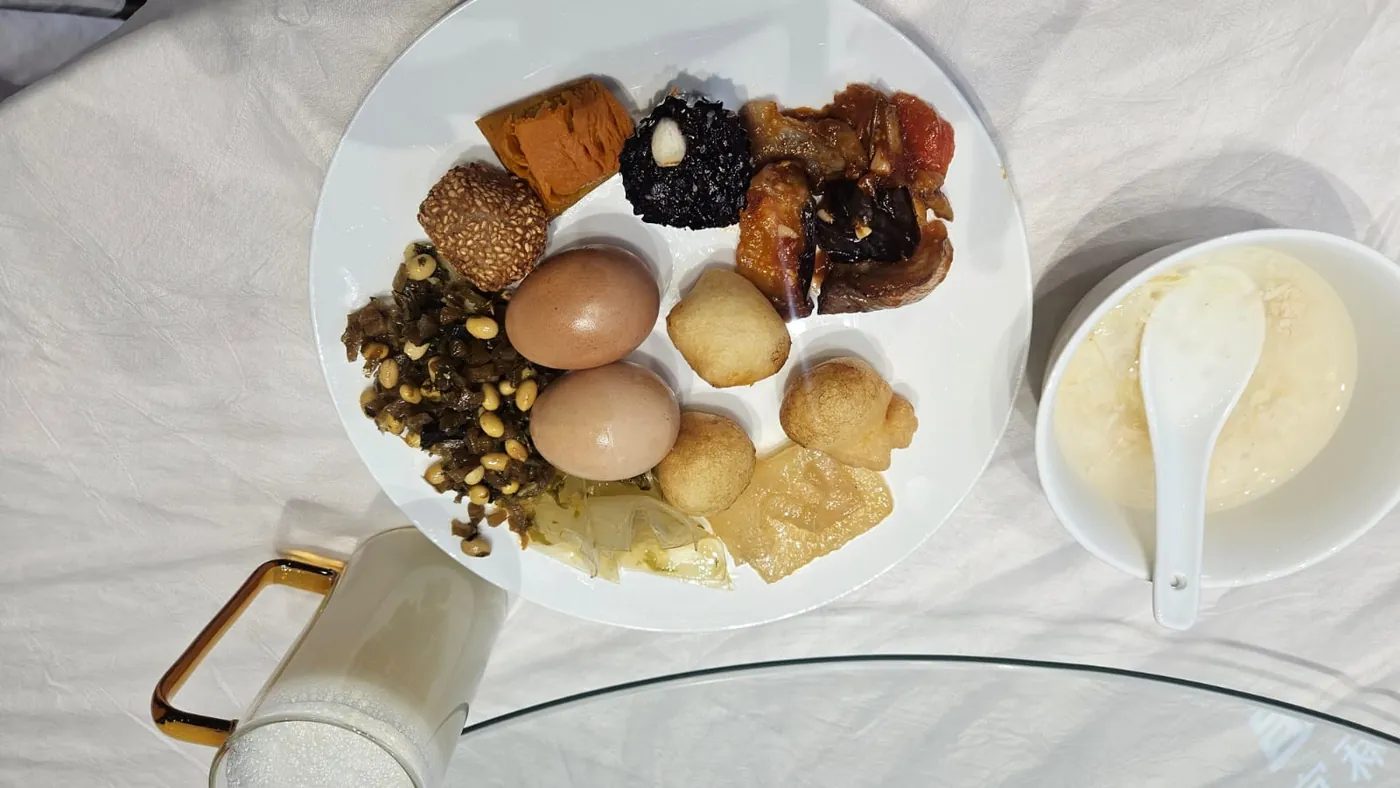
There was tofu, sweet buns, tea cakes and loads of fried food.
Noodles for breakfast? Lunch and dinner too?
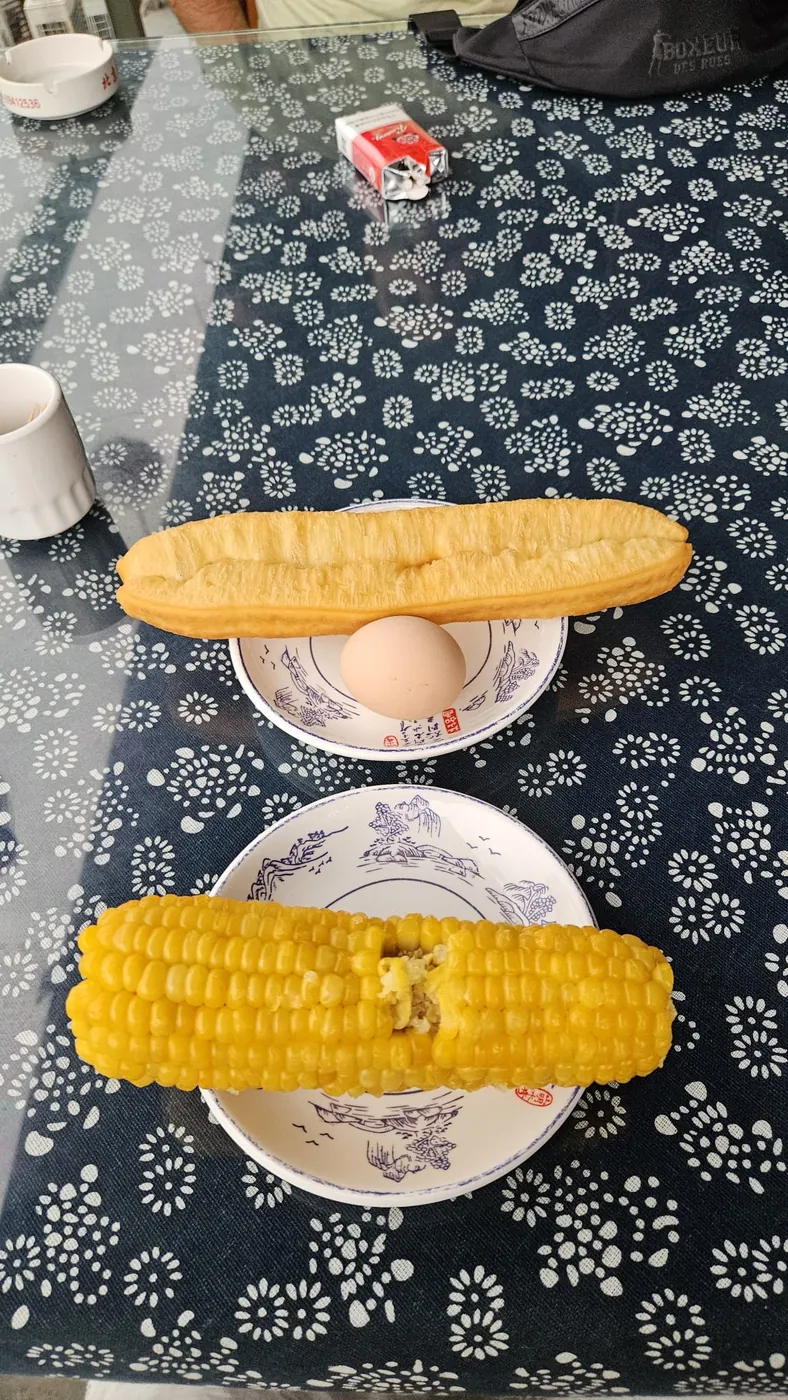
Noodles for breakfast, then »copy-paste« all the way to dinner. At first it was fine, I even laughed about it. After a few weeks it was getting on my nerves. So for breakfast I mostly had a hard-boiled egg, boiled corn, some fried snack and watermelon. The watermelon was amazing. The best of my life!
The food you know from the Chinese restaurant in Brezovica isn't necessarily what's waiting for you in a small town in northern China. I figured that out pretty quickly.
The bones stay in the food. Almost all of them.
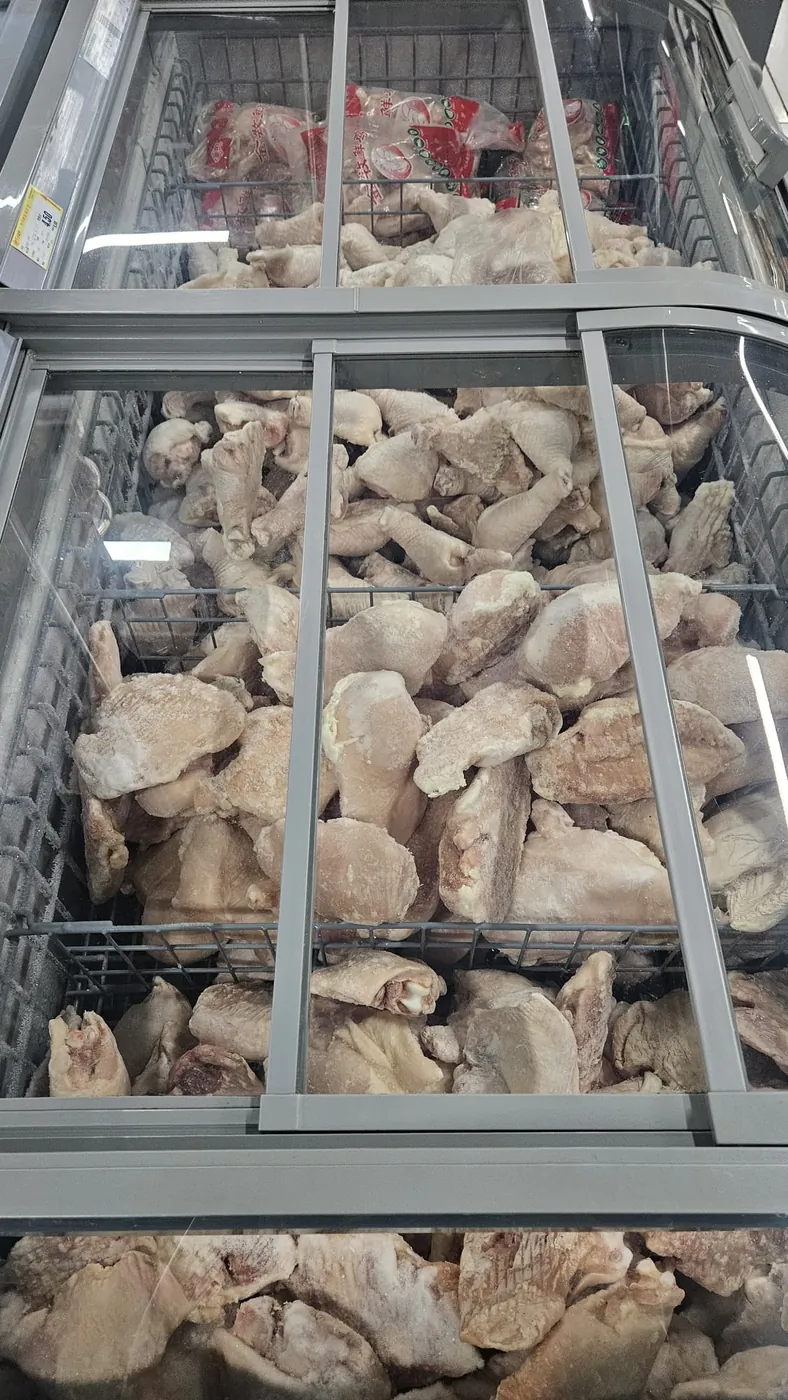
At home I'm used to nice, clean cuts of meat. There I came across duck and chicken feet, pork skin, fatty pieces, bones and organs. What I'd call leftovers is someone else's delicacy. Funny how differently we see the same food. In the end I mostly ordered vegetarian dishes or something more familiar: noodles, eggs and the like. My body started rejecting the sauces and spices. I never thought food would become such a problem for me.
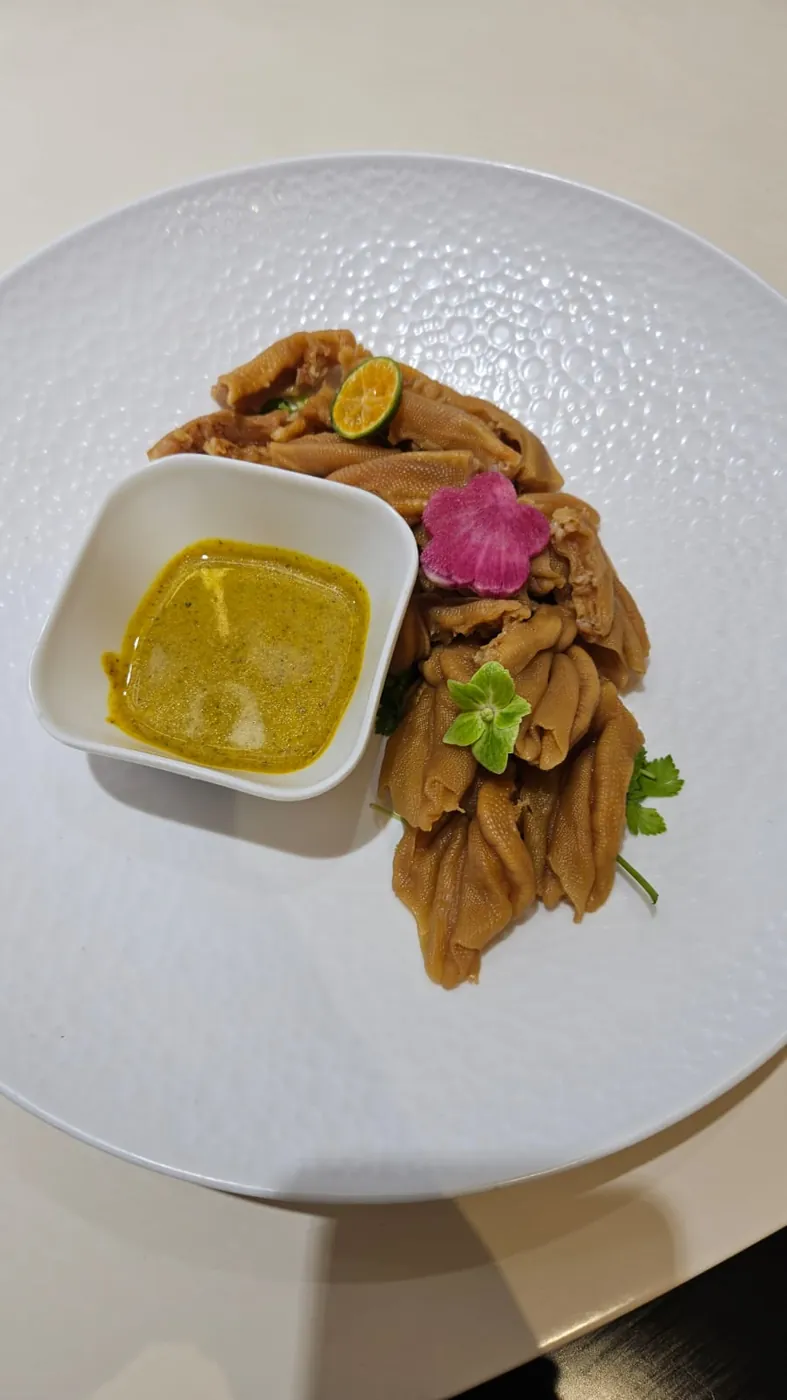
Pork, a hundred and one ways
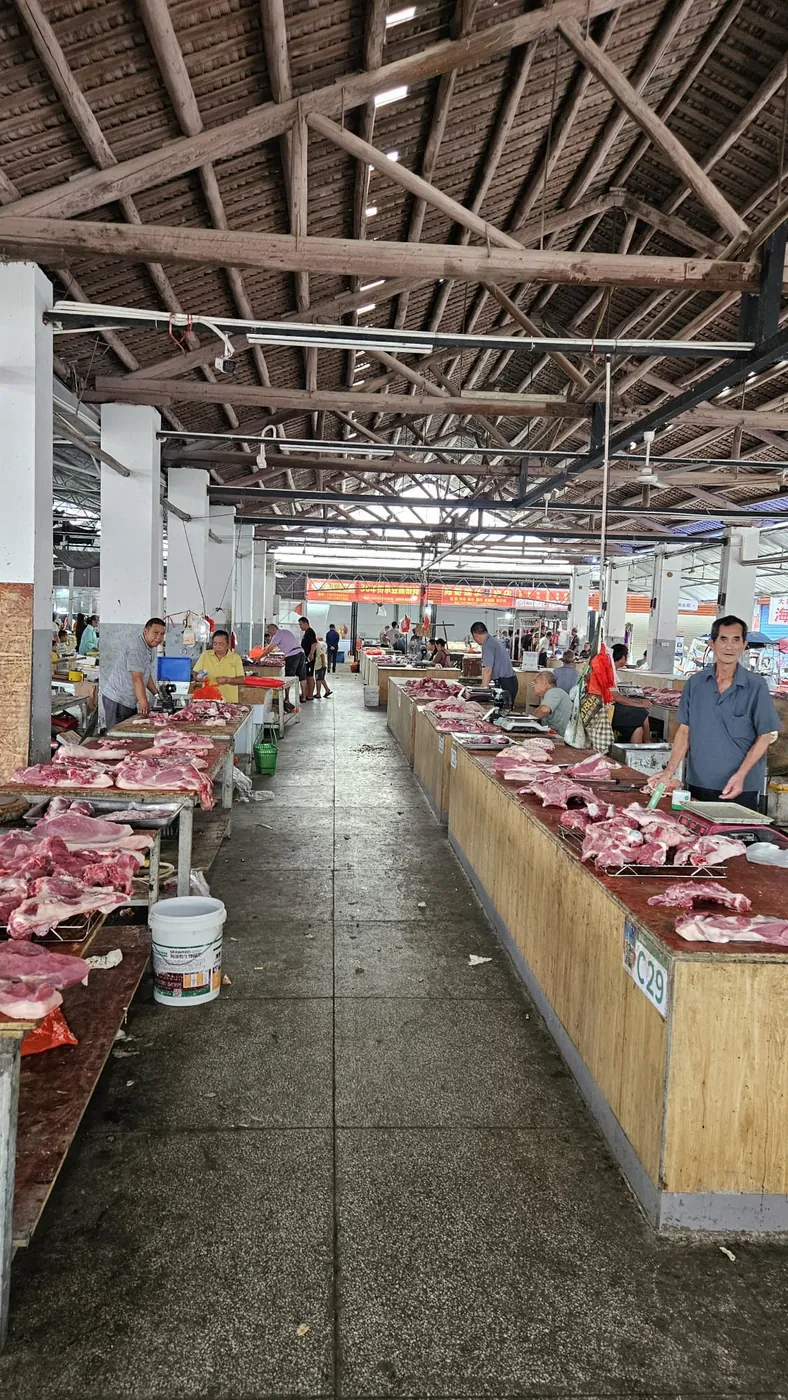
Boiled, roasted, fatty, in sauce … Sometimes it felt like everything revolved around pork. One of the locals explained that it's popular partly because it's affordable. And I looked at the pieces of meat on the table and thought how different they were from what I know at home. To me, Slovenian meat is two hundred times better. Pieces that fatty would end up as cracklings back home! OMG. And I swear I'm not a picky eater. I never showed that I didn't like their food. But after two months I really couldn't take it anymore.
Vinegar. Vinegar everywhere.
In Shanxi province vinegar has a special place. They added it to noodles, dumplings and sauces. At home I mostly connect it with salad, but there I found it everywhere. At first it seemed strange, then I realised it can give dishes a really interesting flavour. We also ate it with Chinese dumplings.
The most shocking food: duck feet, tofu, frogs, turtles … and dog?
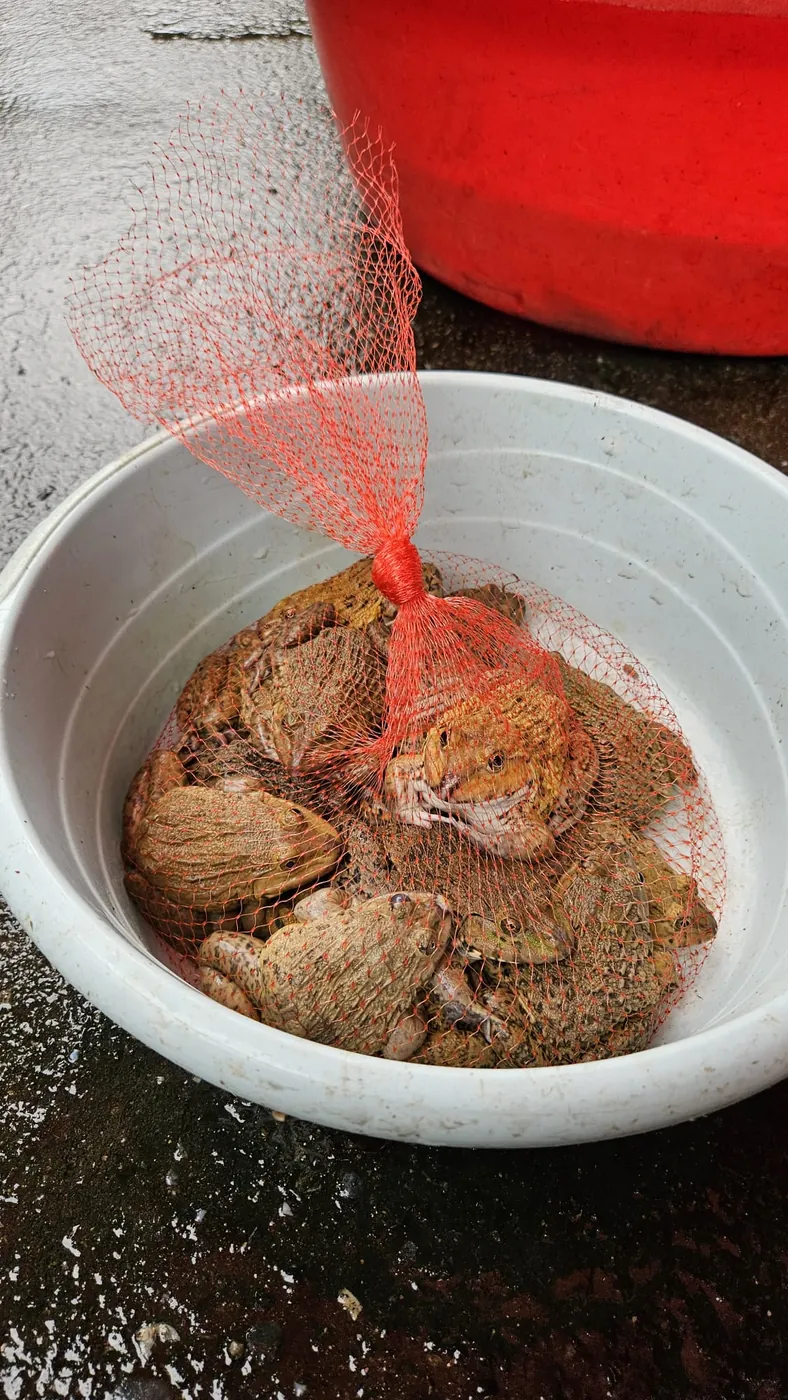
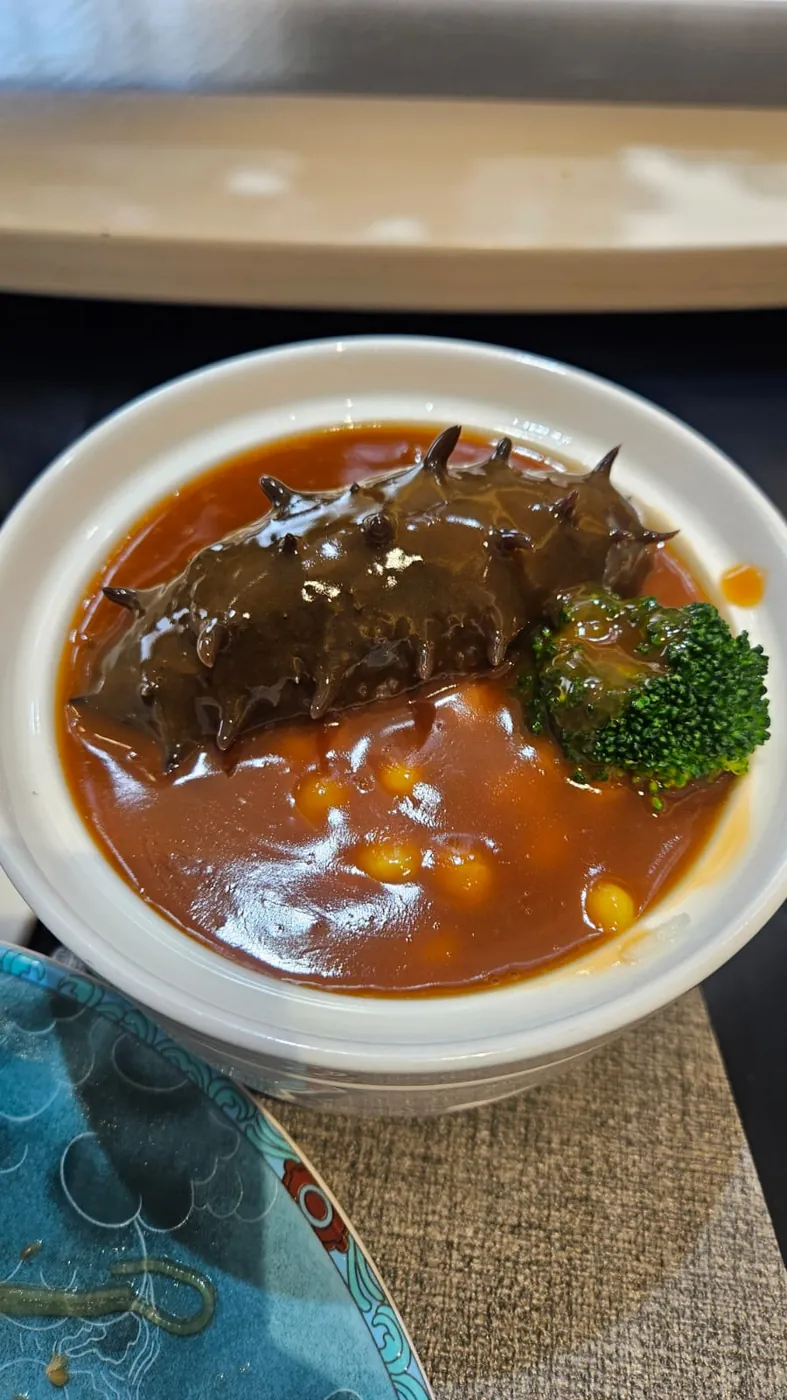
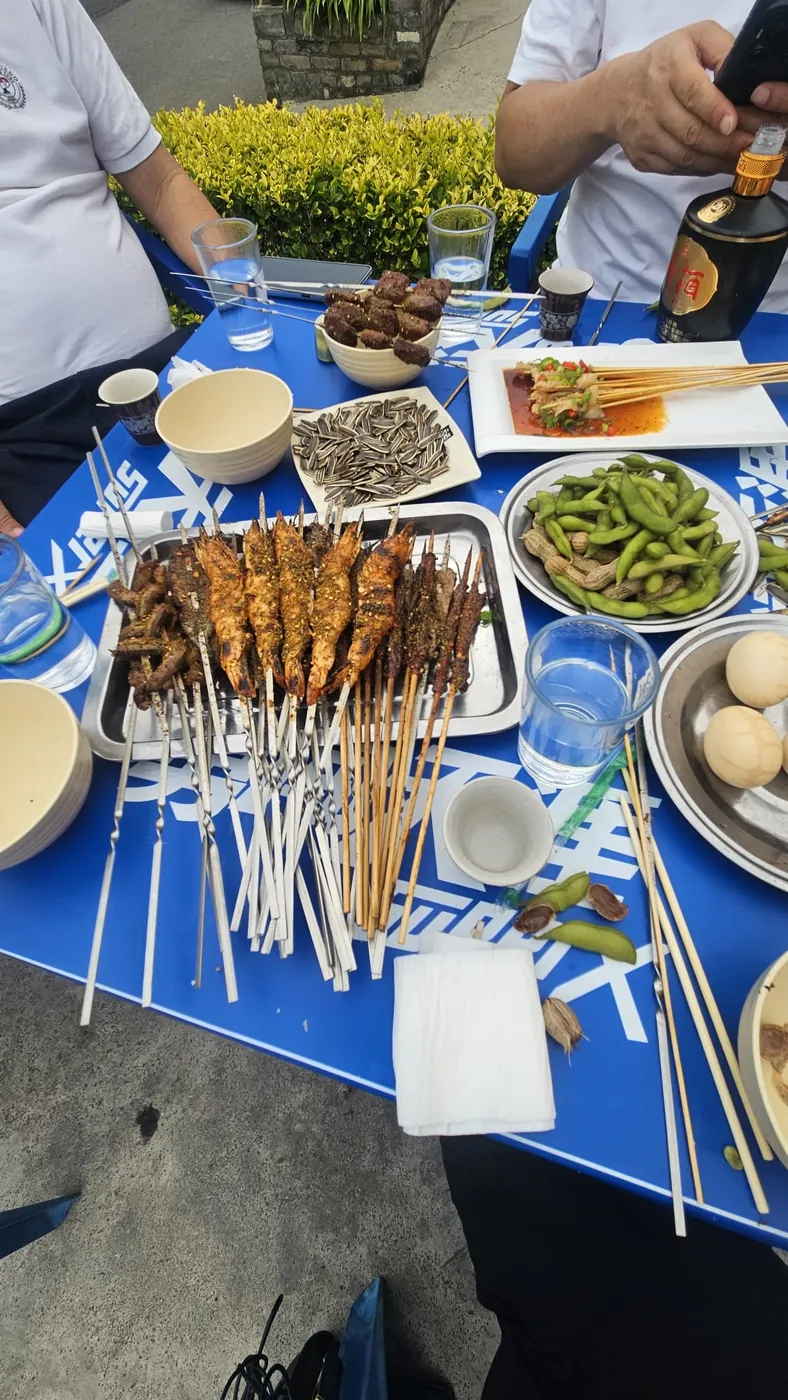
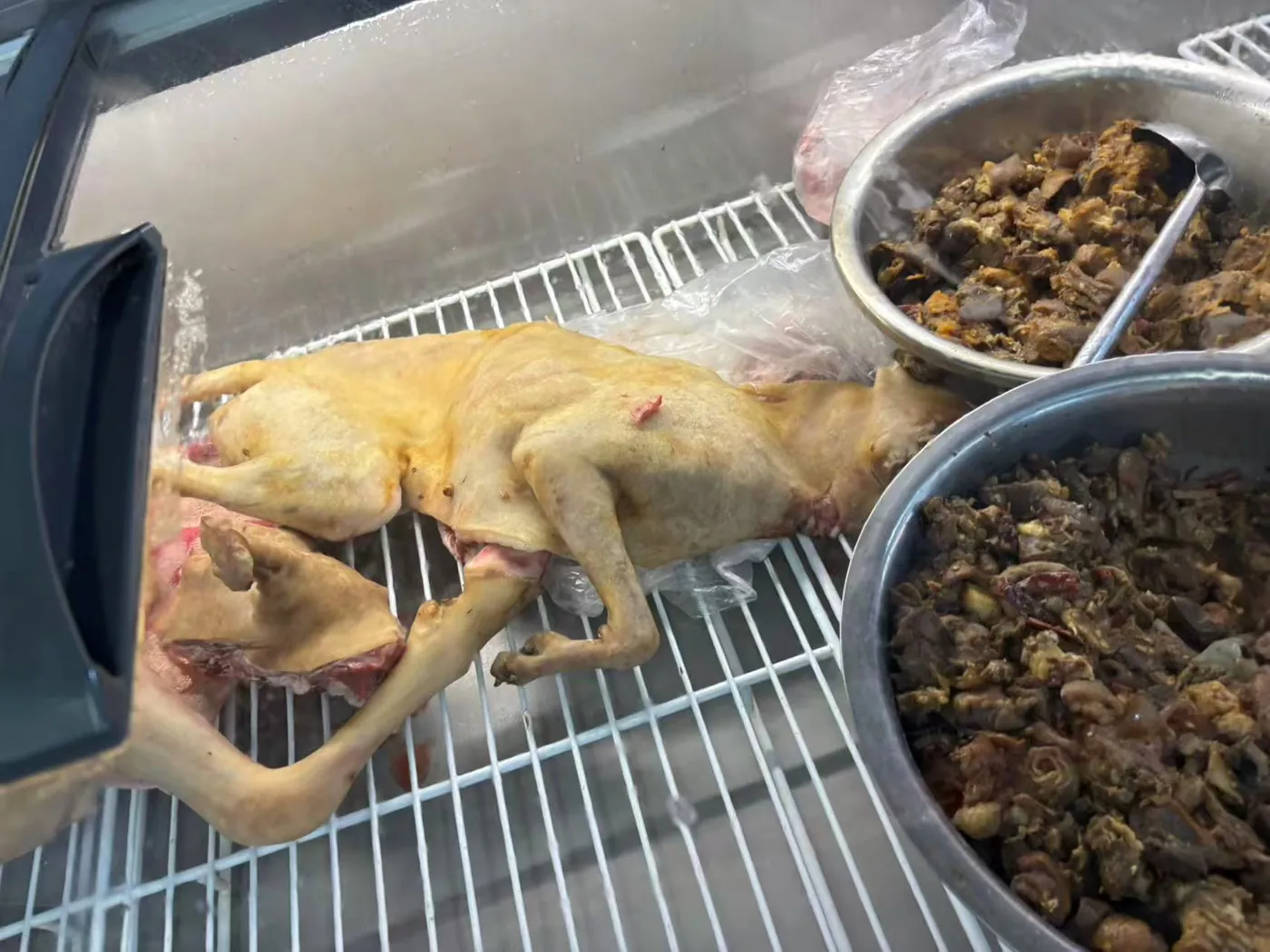
I was invited to a fantastic dinner full of local specialities: sea cucumbers, shellfish, fish, lobster, duck feet and much more. With great effort I bit into a duck foot, but I just couldn't eat it. I only hoped nobody was watching. And I saw I wasn't the only one. I really wanted to try as many things as possible, but I was honestly scared I'd feel sick. The more I travelled, the more I noticed how different our eating habits are. At the local markets I saw old hens, lots of fish, frogs and even turtles. What shook me most was the sight of a dog that I assumed was being sold for meat. Before that I'd seen animals in sacks; one even poked its head out, and they quickly covered it. I also noticed small cats. Those scenes really shocked me. I don't want to judge all people or all of Chinese cuisine based on what I saw at one market. But I know I won't forget that scene easily. And no, I still can't say for sure that I ate dog meat myself.
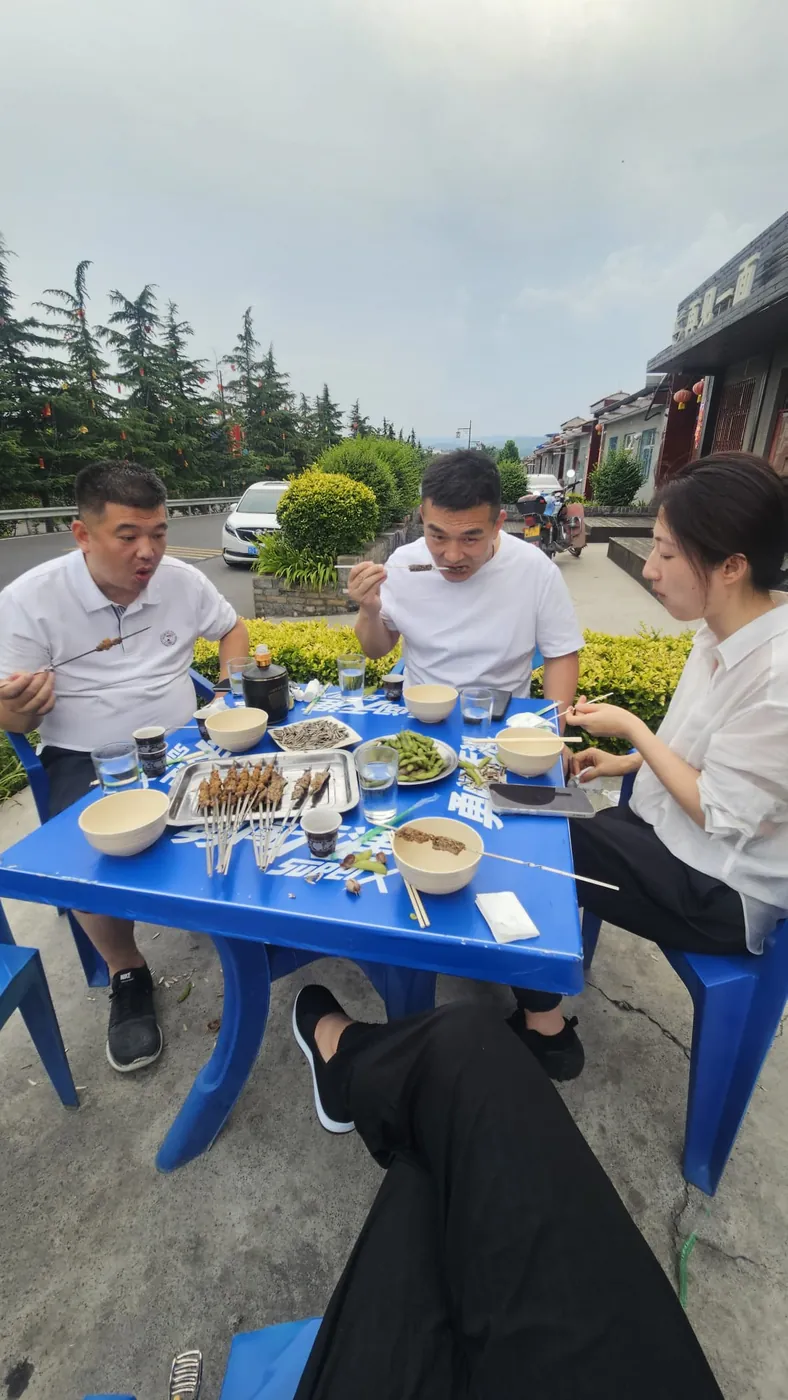
WTF is cold water?
It's around 30 degrees outside, the humidity is unbearable, and after training all I dream of is cold water. I get warm water. Next time, warm again. Drinking warm or hot water was pretty normal there. To me, cooling down with hot water after two hours of training seemed completely crazy. But you get used to that too. And now that I'm home, I sometimes order warm water in a café. It calms me down and I notice my stomach hurts less often. In short, it works for me!
»Smile for the camera«
At stations there are security checks, luggage scanners, ID checks and cameras, even in remote places. My passport was practically my ticket: the train details were linked to the document. At times I felt every step was being recorded. On the other hand, a lot of things worked incredibly efficiently, and the signs, including English ones, were clear.
Still, one question kept spinning in my head: how much safety, and how much freedom?
Your phone is your wallet
QR codes, WeChat, Alipay, from big shops to the tiniest stalls. Great, as long as your phone and the internet work. And as long as nobody throws away your phone charger. Like they did with mine. It was also interesting to see that even a man begging on the street had his own QR code. You can send him money straight from your phone.
Martin’s English School
»Yes« and »no« were pretty much the only English words our Shifu used. We taught him the rest. Meanwhile, we learned to count in Mandarin. I helped the kids with English, and they helped me with Chinese.
I expected a language barrier, but I was still surprised how hard it sometimes was to communicate, even with people who taught English. But that's exactly why the conversations were often even more fun.
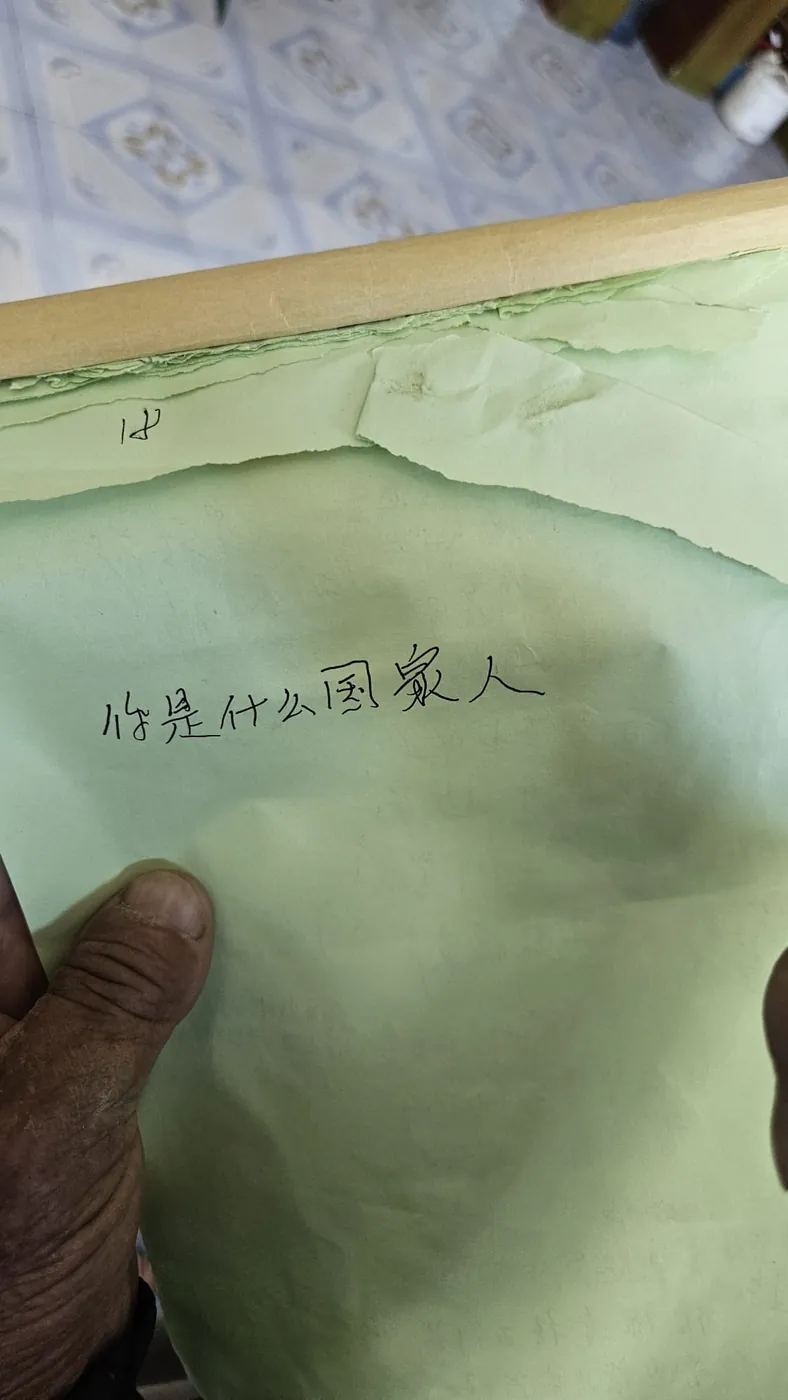
One day Martin noticed us, a local who taught kids English in his free time. In a small town, foreigners were a real attraction. He invited us for tea and to his classroom. He told us his English was roughly at an eighth-grade vocabulary level: food, hobbies, »like« and »don't like«. But he was incredibly motivated.
He showed us the whole place, including a table tennis table. Why? Because some of his students are so lively that he first sends them off to do a bit of sport. Then they learn more easily. Hahaha. As a coach, I can only confirm that!
Where's the deodorant?!
When I was packing, I was confident. You can buy everything in China, right? The country makes half the world's stuff. Well, in big cities the choice is huge, but I was in tiny Dayang.
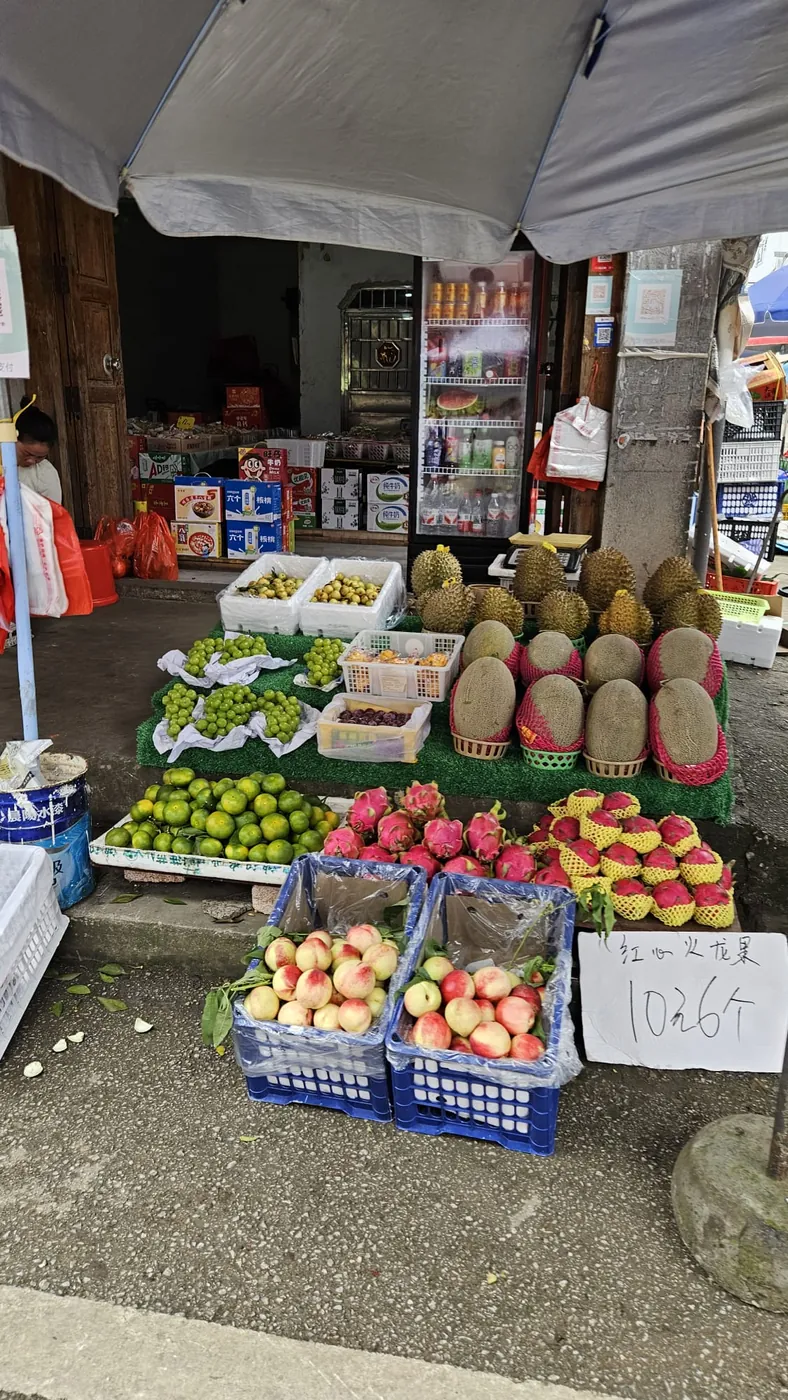
Deodorant? I couldn't find it in the shops I visited. Locals told me that many people don't use it at all. Tampons? Hard to find too. I heard different explanations of why people use them less there, but I didn't check them. Bread, cheese, butter, yoghurt, chocolate? The selection was very different. Crisps? Cucumber flavour and a bunch of other combinations I didn't expect. Sometimes I just wanted something normal where I know exactly what it will taste like.
Why didn't I just order online?
Online shopping is hugely developed in China (you can even order fresh meat online), but without a Chinese phone number some services weren't available to me. So I could see everything that exists, but I couldn't always get my hands on it. Ironic: in a country where you can order almost anything, I was hunting for deodorant. On the train you could even order food and get it at the next station. I'd have ordered right away, but without a local SIM card I couldn't.
And then there's the laundry …
In August the humidity was like a sauna. I soaked through three T-shirts a day in training. There was no dryer; we dried our clothes outside. So I hung them up and hoped it wouldn't rain. Sometimes they didn't dry even in a whole day. And then you put on a half-damp T-shirt. Which is soaking wet again five minutes later. Lovely.
A few more cultural differences
Squat toilets, more spitting in public places, curious stares and people taking photos of foreigners, I experienced it all. In Dayang I was quite the attraction. But along with all that I also met so much kindness. I quickly learned how much you can say with a smile, gestures and a bit of patience.
These are my observations from the places I visited, not a description of all of China. Shanghai and little Dayang are two completely different worlds.
What would I pack differently today?
Enough deodorant, toiletries, snacks I know, spare clothes and everything I use regularly. And a better plan for food and ordering things, especially if I had that much training ahead of me again.
Only on the other side of the world do you realise how much joy a plain sandwich can bring.