2 months at a kung fu school in China
How I quit my job, bought a plane ticket and flew to China for two months to look for inner peace. Instead I ended up at the Shenjiangfei Kung Fu School: training three times a day, a constantly changing, mostly male crew, noodles for breakfast, lunch and dinner, and a pile of adventures. How far from inner peace was I? Read on.
Anja Vidmar
Looking for peace and balance
Everything had piled up. Work, obligations, decisions and a load of things I should have sorted out long ago, but I simply had neither the time nor the energy. I felt like the world around me was spinning out of control while I stood still, trying with all my might to keep my balance so the ground wouldn't slip from under my feet. I knew that sooner or later I needed a proper mental clean-out. The kind that takes time, peace and above all a place without constant distractions. As an exercise and yoga teacher, it's really important to me not to pass my bad energy on to others. So I have to work even harder to keep my head at least roughly in order.
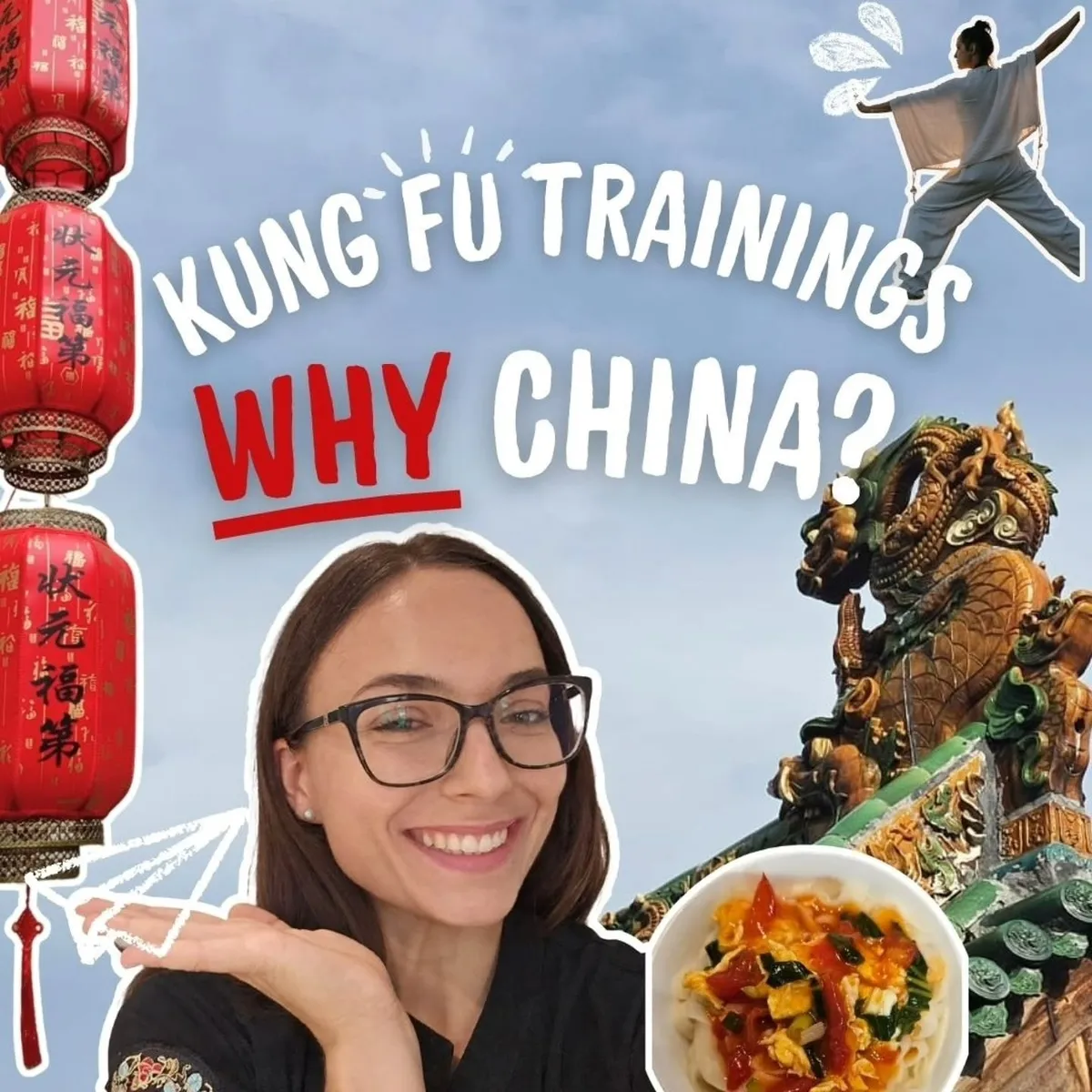
Since I'd already used up the escape-into-work tactic, aka workaholism, and it no longer worked, I went for option two. Escape abroad. I quit my super duper job at a tech startup (I hope you can hear the sarcasm) and decided the only logical next move was … China. The land where Taoism, many martial arts and tai chi were born. If I was going to find my inner peace anywhere, it would be there, right?
Besides, everything is easier abroad. Problems magically disappear, your head clears and life falls into place. Hahaha.
Well, of course not.
In fact, at times it was much harder. But we'll get to that.
Why China of all places?
China had attracted me for a long time because of its traditional martial arts, philosophy, discipline and the special bond between teacher and student. After all, this is the cradle of Taoism and tai chi, where movement isn't just physical exercise but also a way of life and of exploring the balance between body and mind. Taoism is about living in harmony with nature, accepting change and looking for balance. Tai chi turns these ideas into movement, through slow, flowing moves, breathing, focus and control of the body. A pretty different philosophy from my pace of life back then, when I was running at 200 % most of the time.
I was especially curious what it's like to train under a Shifu, a traditional Chinese teacher or master of martial arts who passes on knowledge through discipline, persistence and endless repetition. No shortcuts. No instant results.
I bought a return ticket for 600 €. »Isn't that expensive?« No, because it's an investment in me. Just booking it, I could breathe more easily for the first time in ages. Ahead of me were two months that were mine alone. No work obligations, no daily rush, no feeling that I always have to be somewhere, doing something or proving something.
What could possibly go wrong? 🙂
Getting ready for China
When the Shifu of the Shenjiangfei Kung Fu School confirmed my arrival, I arranged an F visa for about two months. We arranged everything over WhatsApp. Which is great, until you start thinking that you've booked a trip to the other side of the world and you don't actually know if the school even exists.
When I asked for the address, he told me they had moved much further north. Wait, what? We agreed on a call. The Shifu is driving, speaks practically no English, says something in rapid Mandarin and hands the phone to his passenger. On the other end, an older man from Bulgaria. HELLO?! He introduced himself as one of his students. I don't do stereotypes, but in that moment I asked him straight out: »Please do not sell my organs.« Luckily he really was a student … though I did offend them a bit with my comment. My head was running through every possible scenario. What if it's a scam? What if I get there and nobody's there? After the call I checked what I could and, trusting my gut, decided to go.
Apps that make life easier
WeChat for messaging, Alipay for mobile payments, Amap for navigation, an eSIM for internet, and a translator. I also checked how to access Western apps, sorted out insurance and saved the school's address. China has a very different digital ecosystem from ours, so it's smart to set up as much as you can before you leave Slovenia. Some apps require phone verification, which can get complicated without the right SIM card. So: prepare in advance. And luggage? Loose training clothes, magnesium, electrolytes and something for diarrhoea. Because, heaven help you, the last thing you need on a 12-hour flight or during five hours of training is stomach trouble.
I'll buy the rest in China, I thought. Only later did I realise how optimistic I'd been.
26 hours: GoOpti, plane, train, car …
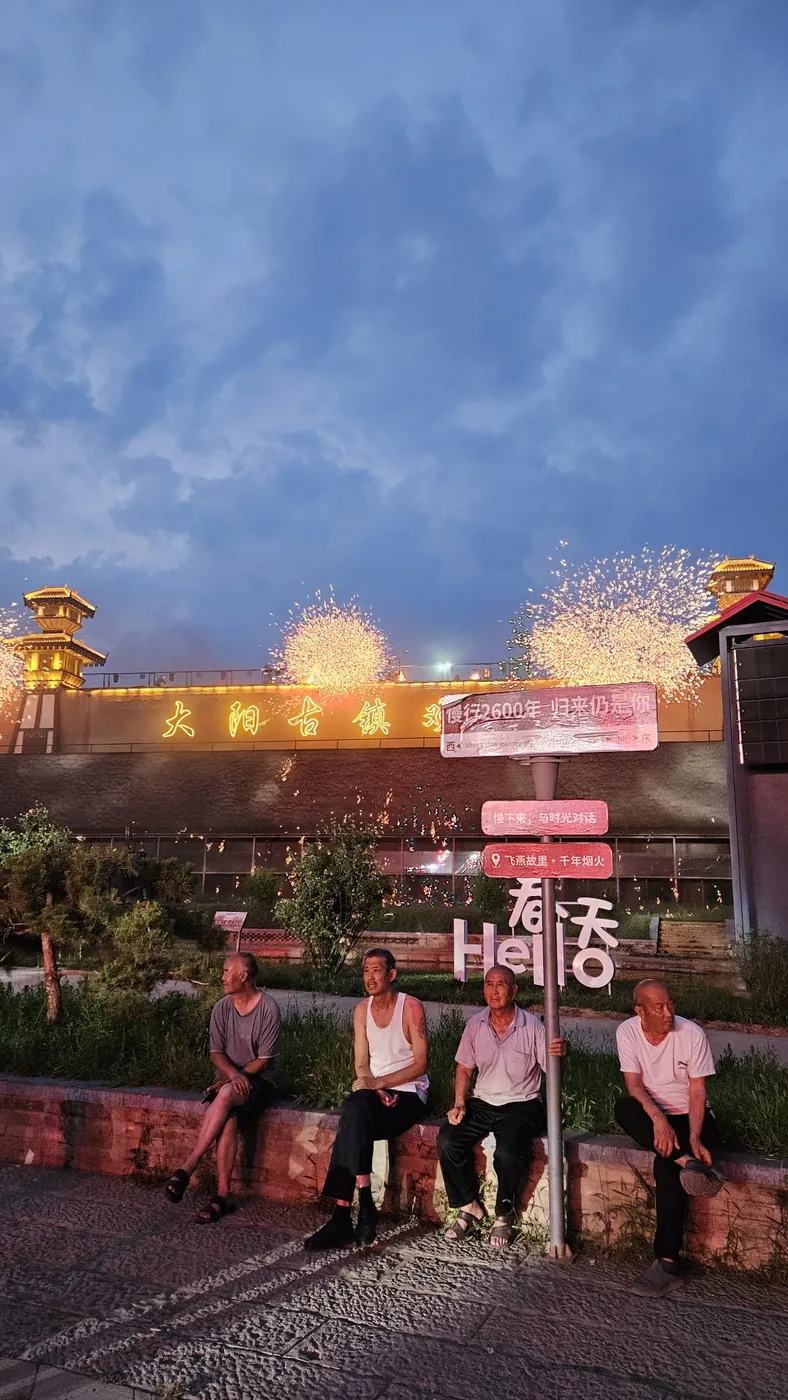
Slovenia to Austria: 5 hours. Austria to Shanghai: 12 hours. Shanghai to Jincheng: 7 hours. Jincheng to Dayang: 1 hour. About 26 hours, no Chinese, but well prepared. And everything went surprisingly smoothly. To be completely honest, GoOpti was the slowest part of the journey.
Dayang, a town where time stood still
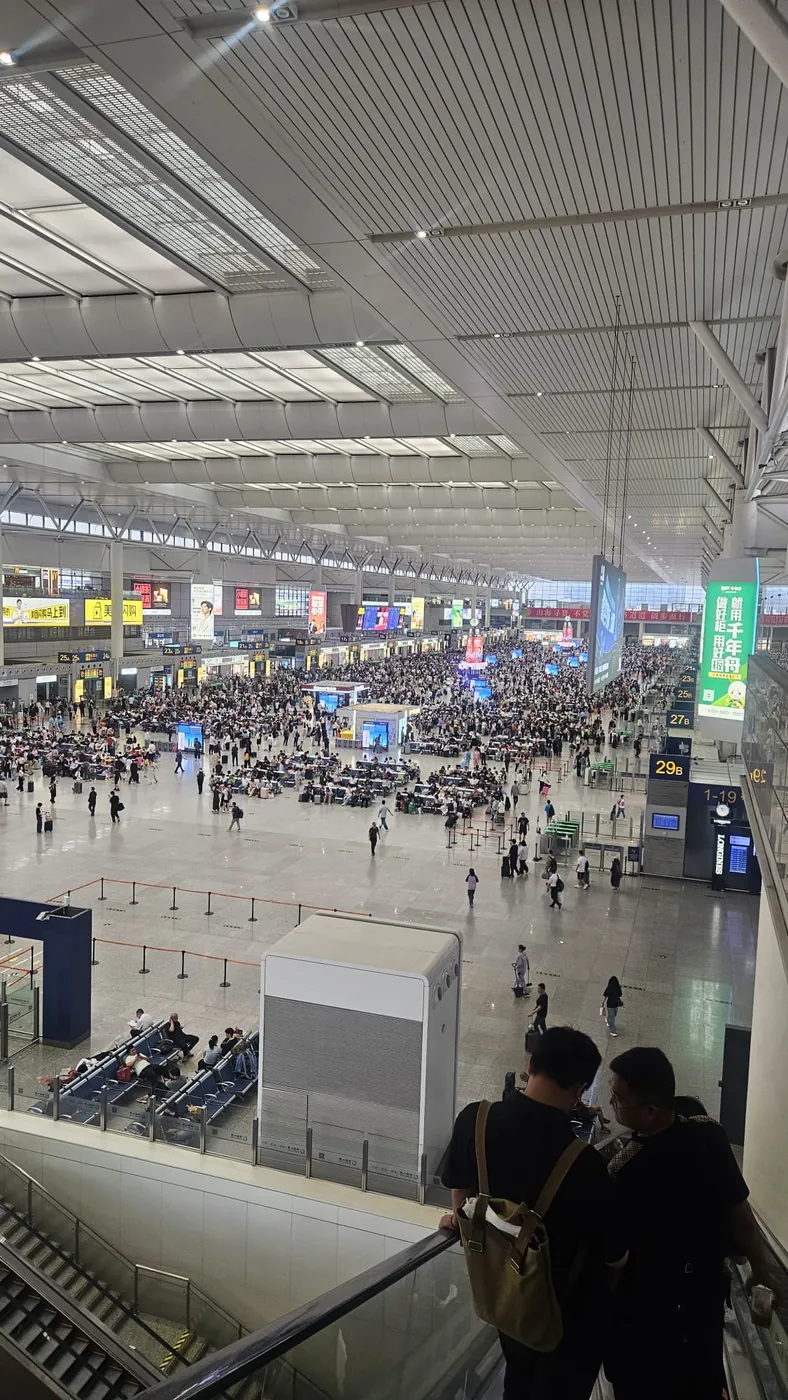
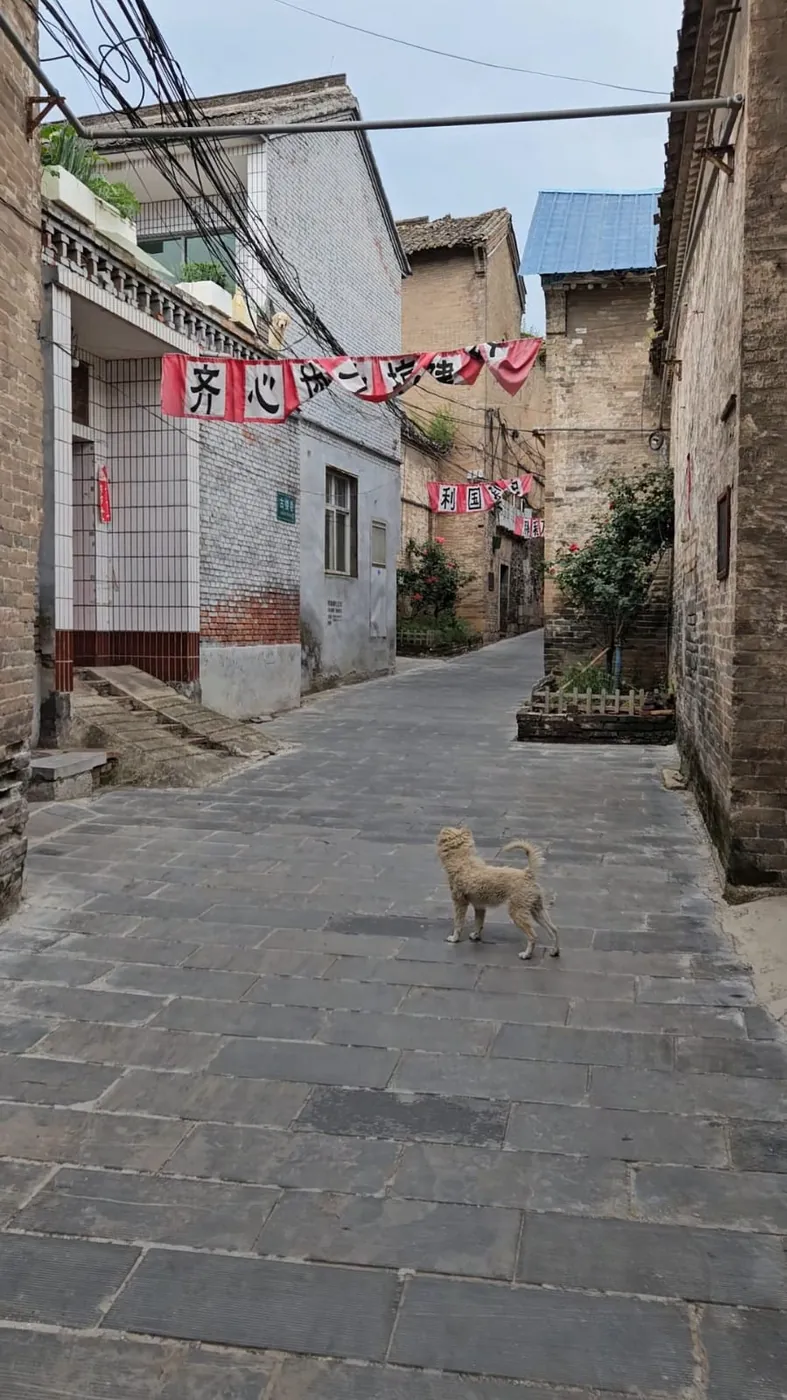
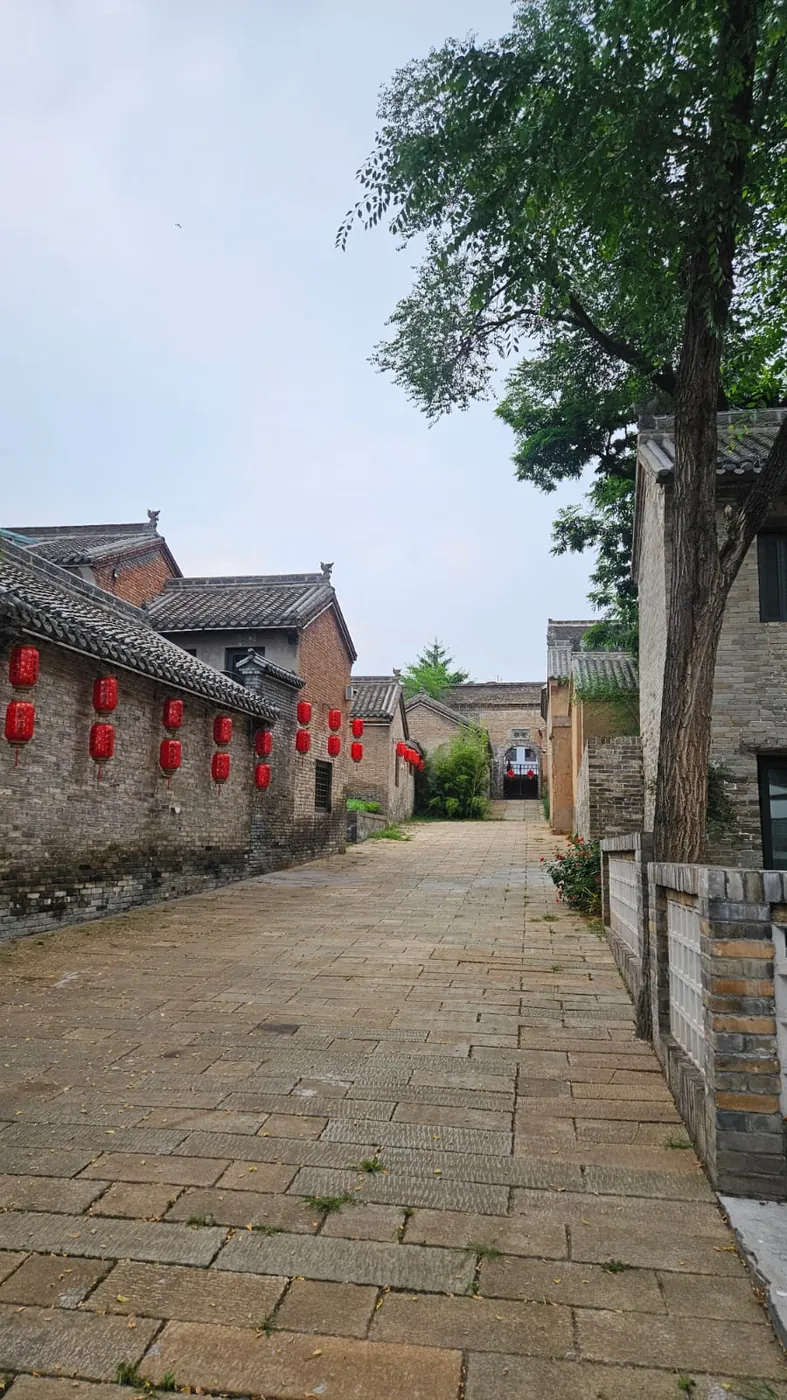
After the fast trains and the long journey I ended up in an old town with traditional houses, narrow streets and red lanterns. Older locals sat outside their houses chatting and eating, what else but noodles. There were practically no foreigners. Young people raced around on electric scooters and watched me curiously. Some had apparently never seen a foreigner before. Everyone was incredibly friendly and I felt welcome.
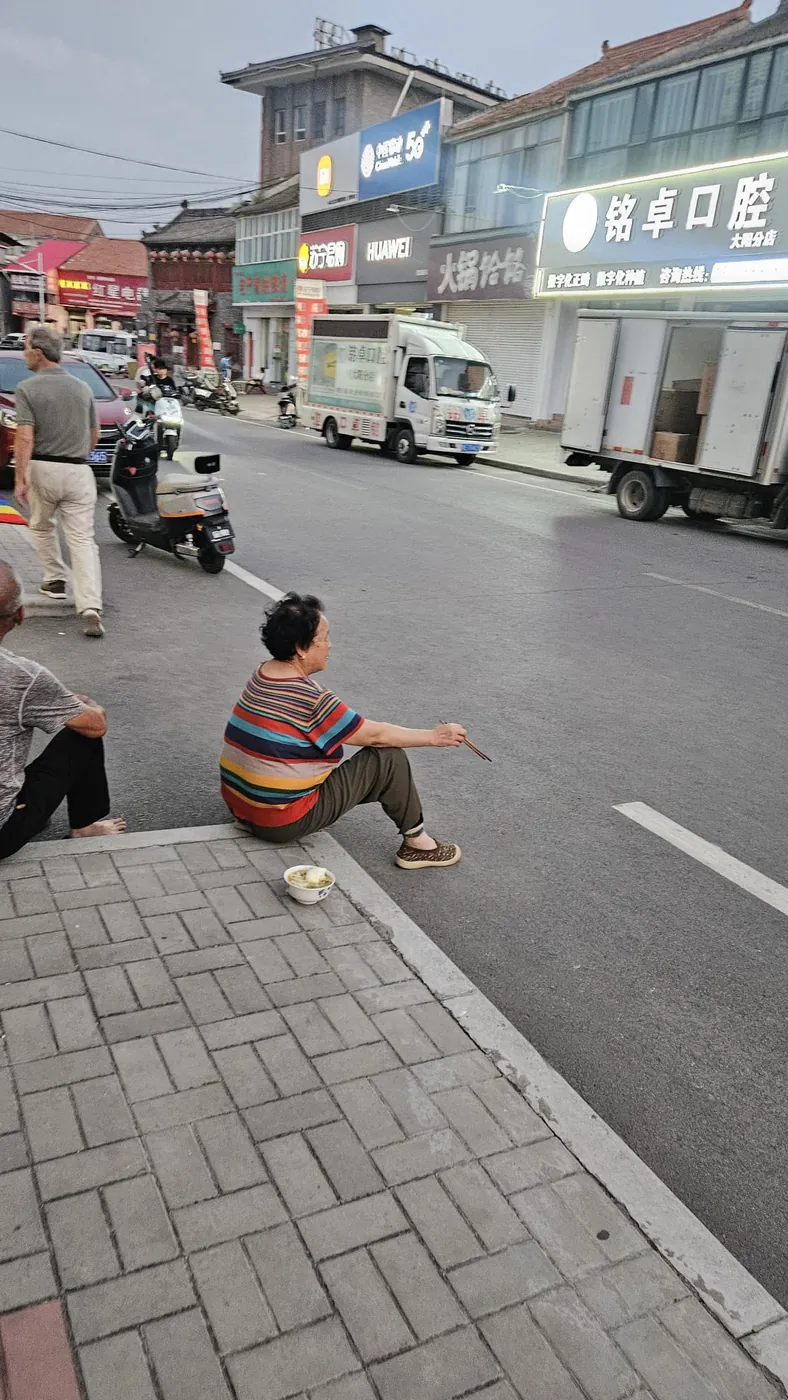
The Shifu took me out for my first dinner. A huge bowl of noodle soup. Chopsticks on the side. I look around, no forks anywhere. The Shifu says: »Anha, yes or no?« And I say: »Shifu, no.« I carry on with the chopsticks, even though the noodles are splashing everywhere. People laugh at my struggle and bring me a spoon. I thank them, but insist that I'm going to learn to eat with chopsticks. When you're hungry, you learn fast.
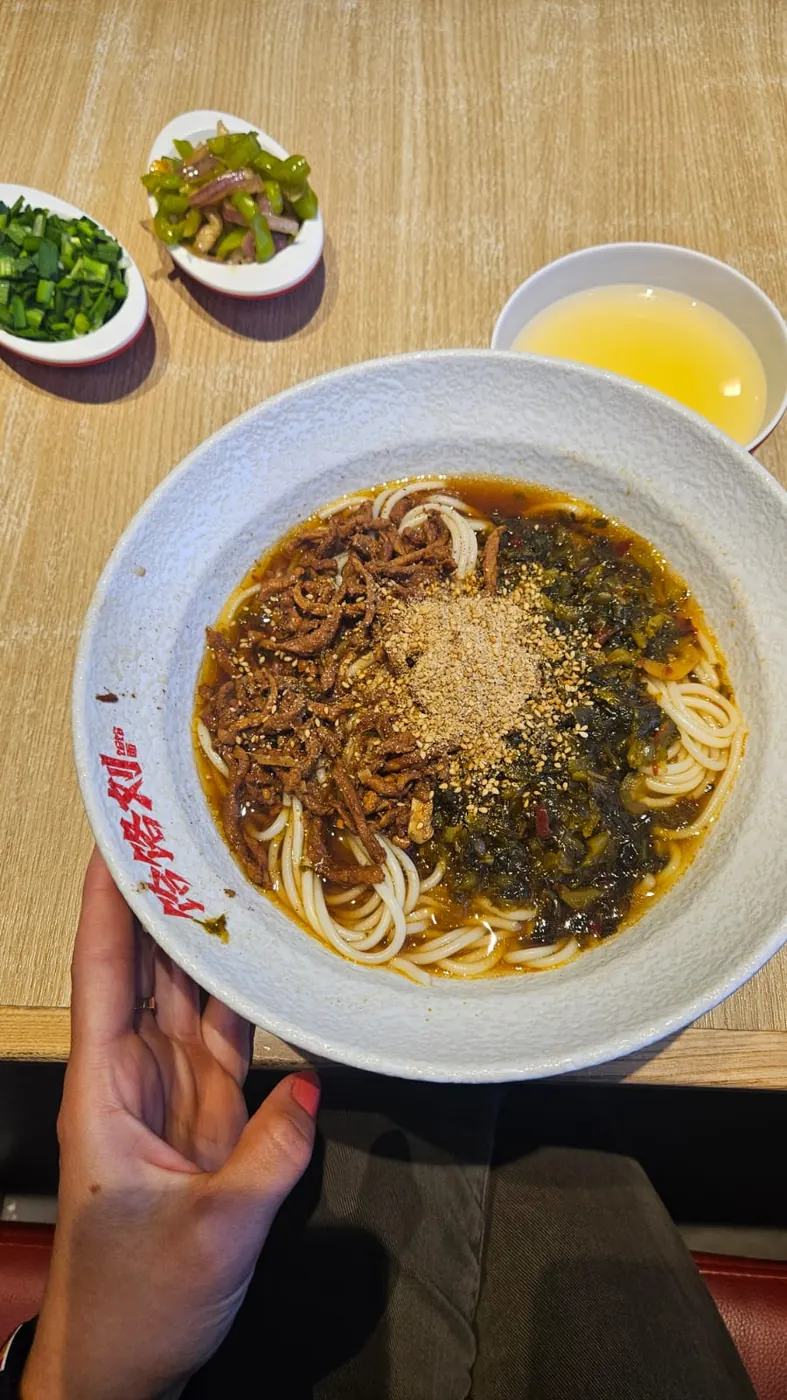
Back then I didn't yet know that noodles and rice would become a constant in my life for the next two months.
Meet the Shifu: »I don't want you going out with the locals.«
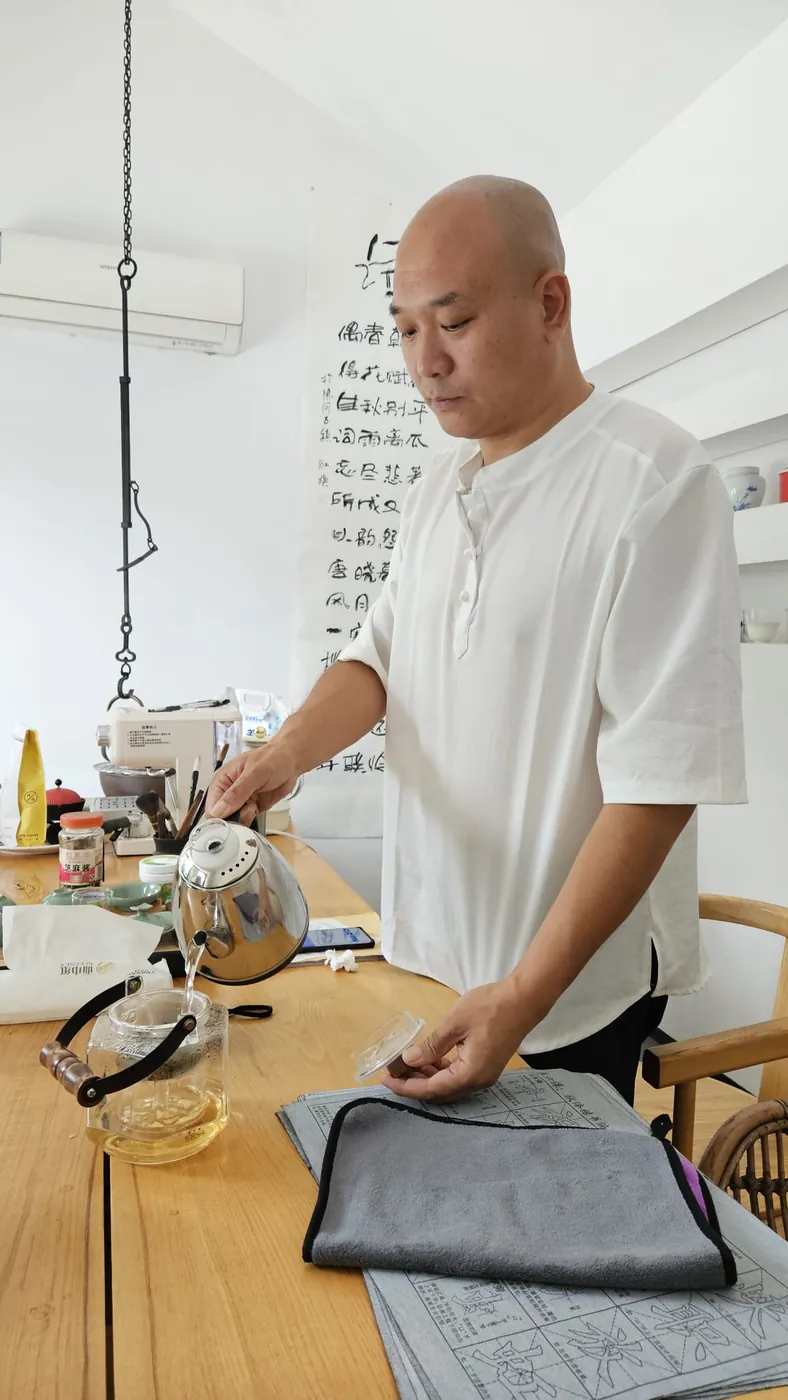
Shifu roughly translates as »master« or »teacher«. He was around 45. He had a face that was hard to read. Warmth on one side, discipline, determination and a traditional approach to teaching on the other. The kind of person you automatically respect. The only one who joked with him without hesitation was his daughter. His son, it seemed to me, was quite afraid of him. A friend who understood Chinese described him as a traditionalist, a proud nationalist and someone who likes to talk politics. He had strong values and clear beliefs. His wife looked after the children and the household, and he earned the money. Both children had been involved in martial arts training from an early age, a family tradition. He told us that his father, grandfather and probably many ancestors before them had been bodyguards for wealthy Chinese families. With modern security systems, that kind of work dried up. The Shifu then trained the Chinese army; he even showed us videos. He was apparently injured there, and later opened a school for foreigners, where a few locals trained too. I never found out his first name.
When we first met, he took my hand in his and said: »Yes.« What's that supposed to mean? Then he switched on the translator and told me I had a warm palm. Apparently a good sign: that I have chi, inner energy or, in my more down-to-earth explanation, good circulation.
He was also very direct. He pointed at one of the students and said this person wasn't grown up yet and had to train a lot to reach a calm body. In short, he introduced every student to me without sugar-coating. No coddling along the lines of »she's only just started«. Everyone quickly learned what they were good at and where they still had a lot of work to do.
What I remember most is how protective he was, which I first saw as a bit controlling. In my first week some locals invited me to dinner. I mention to him that I'm going, and he advises against it. Of course I went. At my age nobody's going to tell me who I can have dinner with! I come back at 22.00 as agreed and let him know. Not ten minutes later my new local friends texted me that the Shifu had called them and asked them a whole list of questions. He probably got the phone number from the reception, not very GDPR of him. They asked me to tell him they were good people. That was one of my biggest puzzles: does he really care that much about his students, does he want everything under control, or did he have a good reason to be careful? Over time I realised it's part of his approach. When we signed up for the programme, he took responsibility for our safety too. He was especially strict with the girls. It was interesting to see how a »coach« stays a mentor after training ends. I liked that side of it: many young people need someone trustworthy to look up to. At the same time, I still wanted to keep my independence.
Five hours of training a day: calming the mental whirlwind
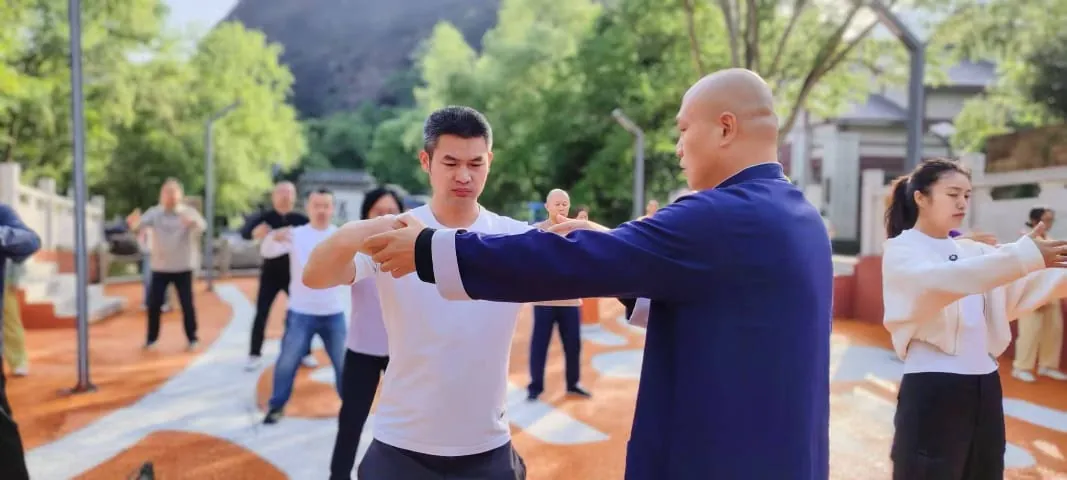
Mornings from 6.00 to 8.00, late mornings from 9.30 to 10.30, afternoons from 17.00 to 19.00. In between, breakfast, lunch and time to rest. About five hours of training a day.
If you come to my classes, you know I love variety, different combinations and new challenges. In China? Forget it.
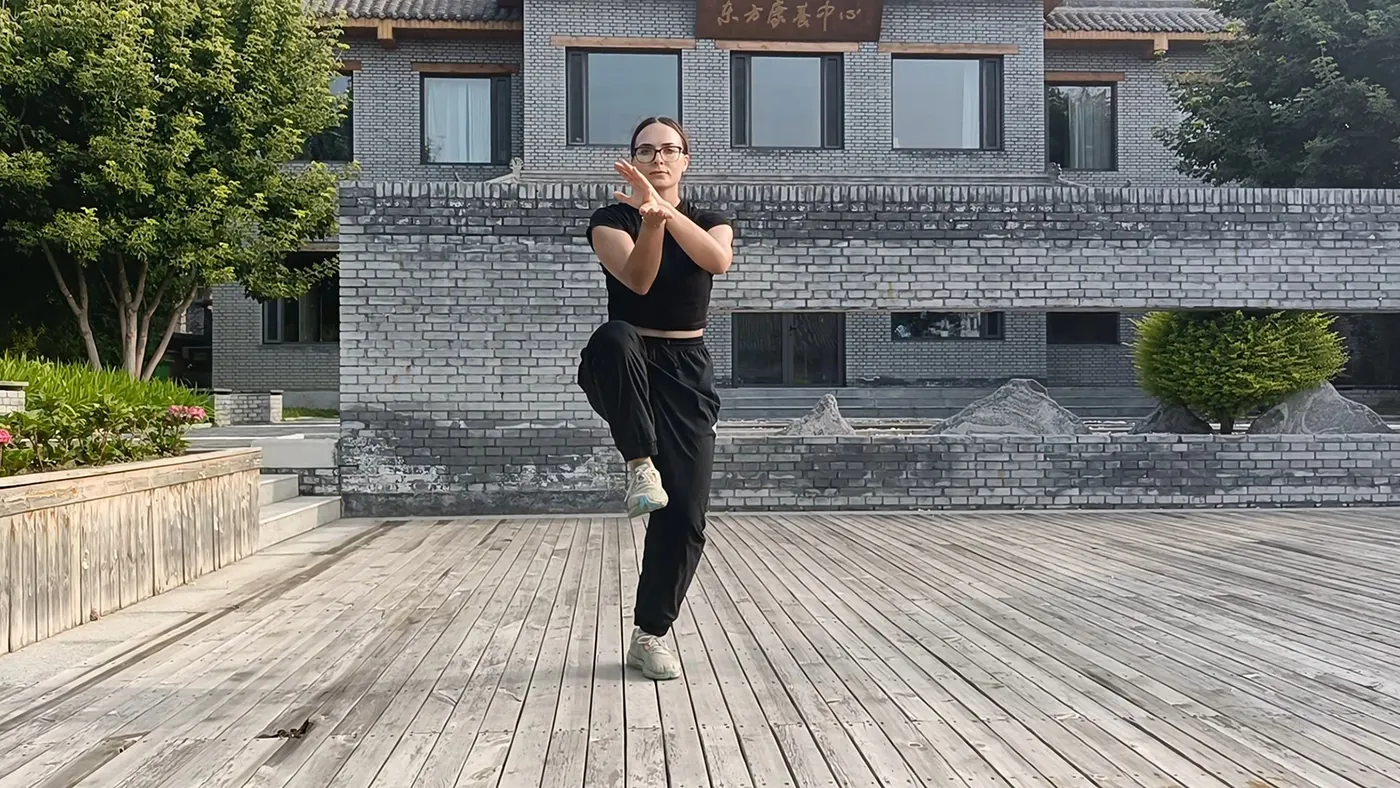
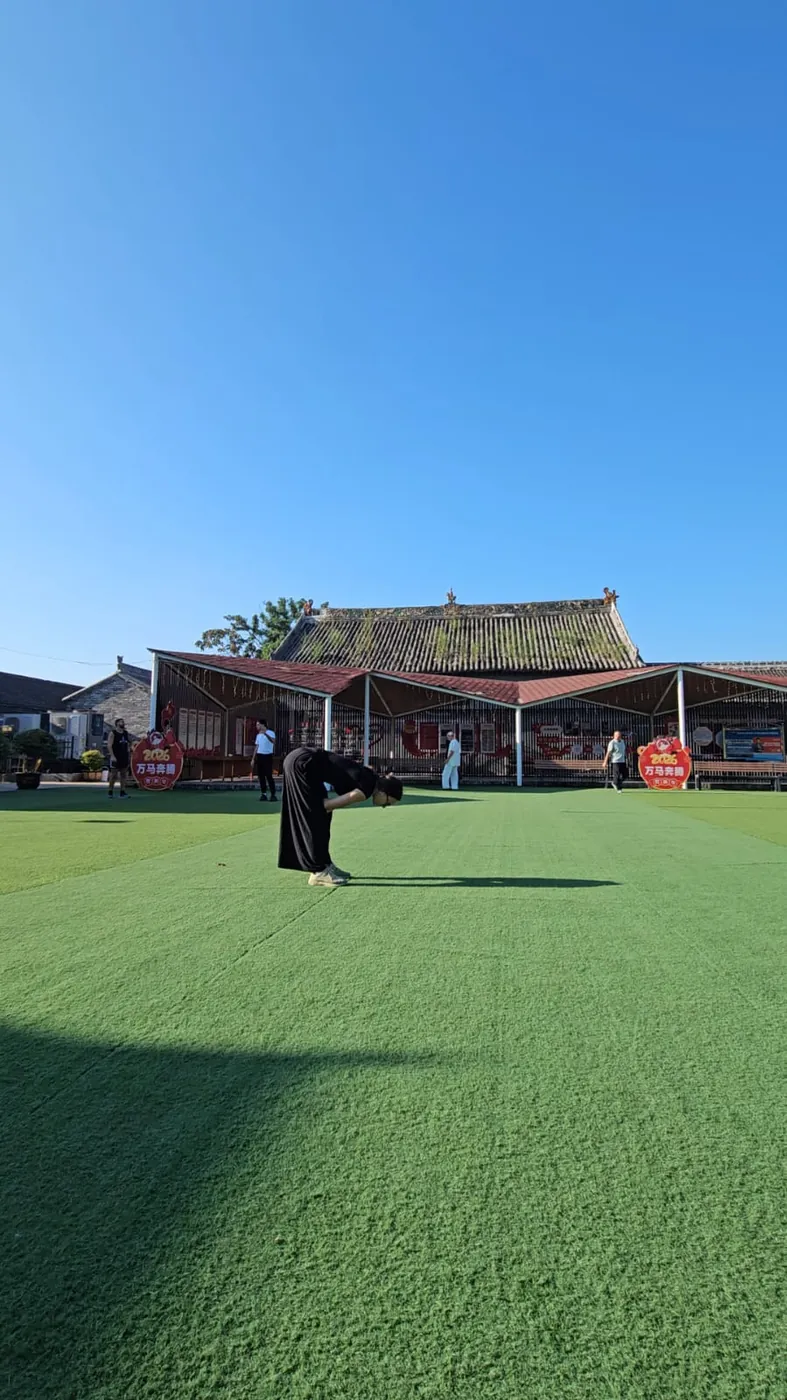
First a run. Then about an hour of warm-up. And I don't mean a few neck circles. Jumps, hops, kicks, combinations and endless repetitions. Only then tai chi, other martial arts, self-defence and work with the sword and staffs. Even though I came mainly for tai chi, I had to do everything. The Shifu explained that to do tai chi properly, I first have to calm the body, and the quickest way is to tire it out physically. Then the arms are supposed to soften, the circular moves become more intuitive and the thoughts quieter. And that was true … except for the thoughts. At first they were even louder. The hardest part for me was the constant repetition. Every day I sweated through at least three T-shirts. It was hot and above all very humid, so I was also losing a lot of fluid and electrolytes through sweat.
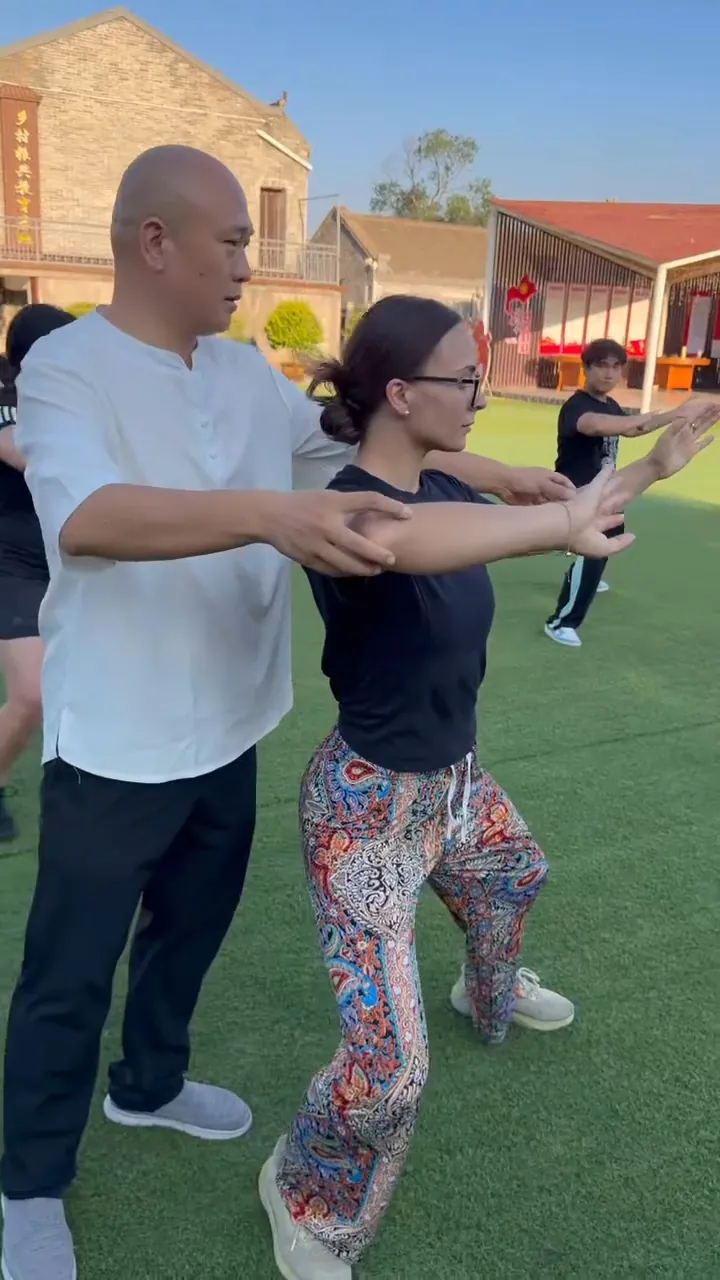
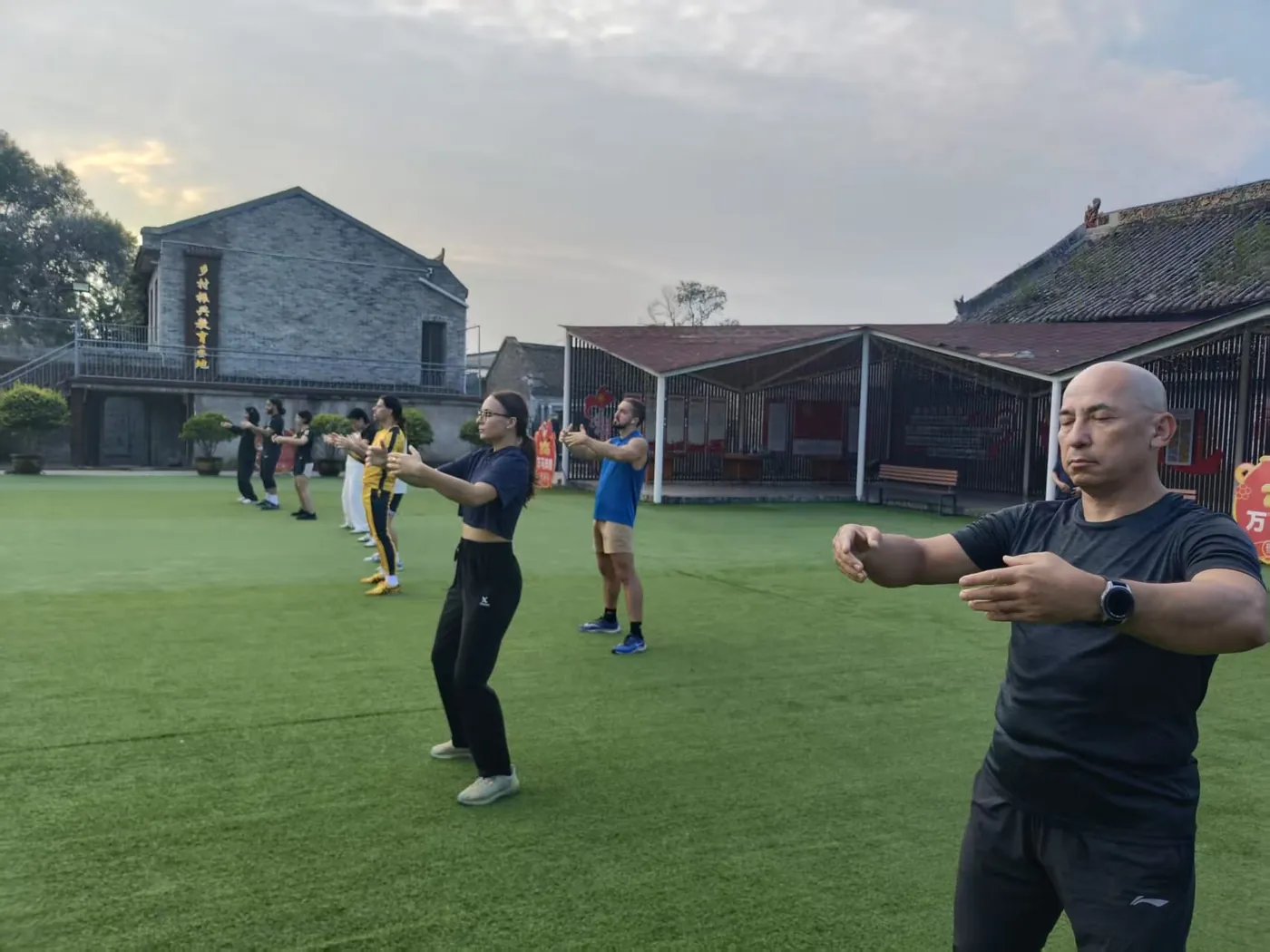
At the start we all practised tai chi. The Shifu showed us the moves and then watched us: how we learn, how quickly we pick up new sequences. Based on that he split us into groups. Those of us who learned faster then passed the knowledge on to new students. An interesting system: if you want to teach others, you really have to know the sequence well. Step by step he added the sword, the knife and the staff. After all, tai chi is basically also a martial art that includes working with weapons.
Easterners have more mobile hips
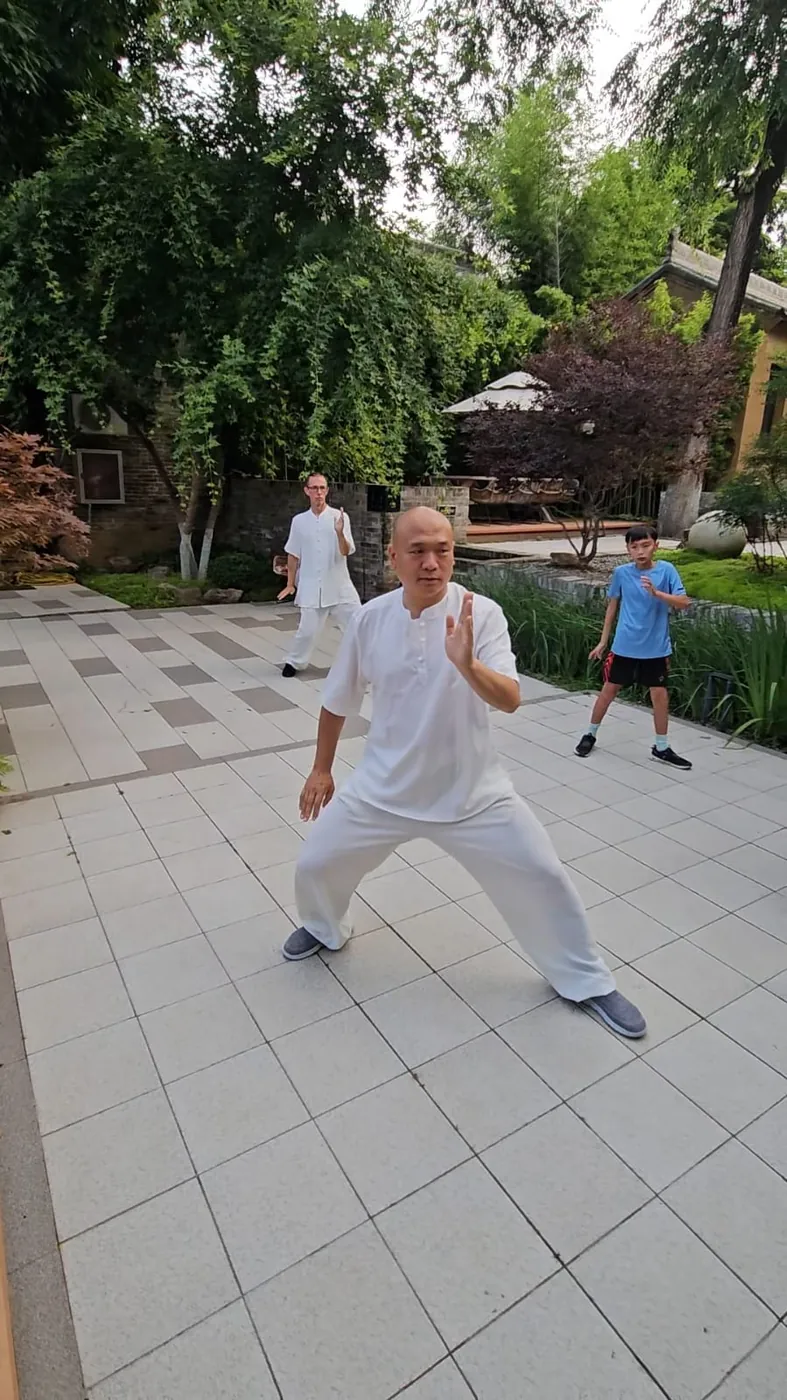
The kicks nearly killed me. Forward, sideways, with a straight leg, a bent leg, high, even higher. In the first week I still gave it everything. Then the fatigue built up and the real test began. Not just physical. Mental. Sometimes the Shifu pushed us so hard that for a moment I really hated him. No mercy, the body to its limit. When we complained, he said we Westerners have bad knees and hips. Maybe there's something in that? If you squat over a low toilet six times a day, you probably are more mobile. Hehehe, we had to tease him back a little.
Eight weeks and the tai chi learning curve
Because I was so cut off from the »normal world«, I could watch really closely how my body and mind reacted to the pressure. Through my own experience and talking to others, I noticed an interesting learning curve.
Week 1: The best decision of my life!
Everything is new. I'm learning, meeting people, exploring the area. Motivation is through the roof. I give it everything. We're all competing a bit. Everyone wants to prove themselves.
Week 2: Sore muscles
Same training: a running warm-up, the same kicks, the same everything. The head is full of information, the body more and more tired. Instead of new moves we mostly repeat what we've learned. Slowly the body starts warning that it needs rest. Most of all our legs hurt from all the kicks.
Week 3: Injuries, and leave me alone while I eat
Same training. Same food. Same people. Every. Single. Day. You spend practically 24 hours a day with people you didn't choose. Some of them started really getting on my nerves. I like peace in the morning, but some Australian guy kept talking at me non-stop. In the end I changed seats. Week three had the most injuries. Lots of people stopped pushing themselves. The body needed rest, but there were hardly any exceptions in training.
Week 4: Maybe I don't have to give 110 % every day.
I started thinking differently: how much can I give to keep progressing without getting injured? I stopped trying to be the best at every rep. I let go of my ego and stopped comparing myself. I started training for me. I came to China looking for balance, and apparently that starts with knocking down your own inner fortresses. And with repetitions. Lots of repetitions.
Week 5: Progress!
The moves start to feel familiar, my coordination gets better, the sequences flow. I finally understand why we repeat so much. But while doing the moves I was still thinking too much, my mind hadn't calmed down yet. The changing crew was exhausting. Lots of people left without even saying goodbye. You could tell everyone had come with their own story. When that much discipline is demanded of someone, the less pleasant sides of their character, their limits and impatience come to the surface too. I don't judge anyone; I respect that everyone left when it suited them. Still, it makes you think: as if we were in some kind of experiment. Who lasts longer?
Week 6: Out of patience. And deodorant.
My magnesium was running out. When I looked for it in the pharmacy, they said they didn't have it. But I was sure they did … maybe we just got lost in translation. Because of the humidity, clothes didn't dry and started to smell. Deodorant was hard to find too. I even heard an explanation about genetic differences in body odour, but I didn't check how true that was. In short, we foreigners were sweating buckets. Interestingly, though, we started to accept each other more. We got to know each other's good and bad sides. I no longer tried to keep conversations going at any cost: if it flowed, great; if not, that was fine too. We didn't even feel like arguing anymore. Slowly I started to turn inwards.
Week 7: Routine built. But what about the food?
Training became a constant, and getting up at the same time a routine, no matter how I felt. You train, you eat. But homesickness started to creep in. I missed home cooking. My body got tougher, and I lost ten kilos. I ate very differently from home, often less than I needed for that much training. What I wanted most was crusty bread, a bit of cheese and chocolate. If I tell you I didn't like the food, you probably won't believe me, after all, you know the »Chinese« place in Brezovica! But I was surrounded by chicken feet, sweet soups and dishes I didn't really enjoy. Where's my chicken, the way I know it from home?
Week 8: When you start seeing things differently
I met Kiki, a Chinese woman who had come because of back pain. The intense training and jumping made her problems even worse. That's when I started looking at the teaching more critically. At the school everyone was expected to follow the programme. If something hurt and you couldn't keep up, I got the feeling you became less interesting. When does training build us up, and when does it start breaking us down? I started listening to my body more again. I came to training earlier and took time to meditate. I stopped blindly following every instruction and slowly came back from my head into my body. I listened to what it was telling me. In the last two weeks (maybe also because I knew I was going travelling afterwards) everything got easier. I felt peace inside me, even if only for ten minutes. But I still carry those ten minutes with me today. When things get hard, I go and practise tai chi and I know exactly which feeling I'm looking for. And maybe that's the whole point: that the body feels peace once and remembers it. Then you can find it again and again, even as your limits shift.